
The right Japanese teapot can completely change the way you enjoy tea at home. Japanese teapots are loved for their smart design, comfortable handling, and ability to bring out the best flavor in green tea, hojicha, genmaicha, and more. In this guide, we’ve ranked and reviewed the Best Japanese Teapots of 2026 to help you find the right one in seconds.
We believe that choosing a high-quality Japanese teapot matters for every tea routine. A good pot helps with smooth pouring, better heat control, and a more enjoyable tea experience from start to finish.
With so many choices on the market, picking the best Japanese teapot can feel difficult. That’s why we took the time to compare the most popular options ourselves—right here at Dandi Japan.
Let’s get started.
1. Our Japanese Teapots Top Picks
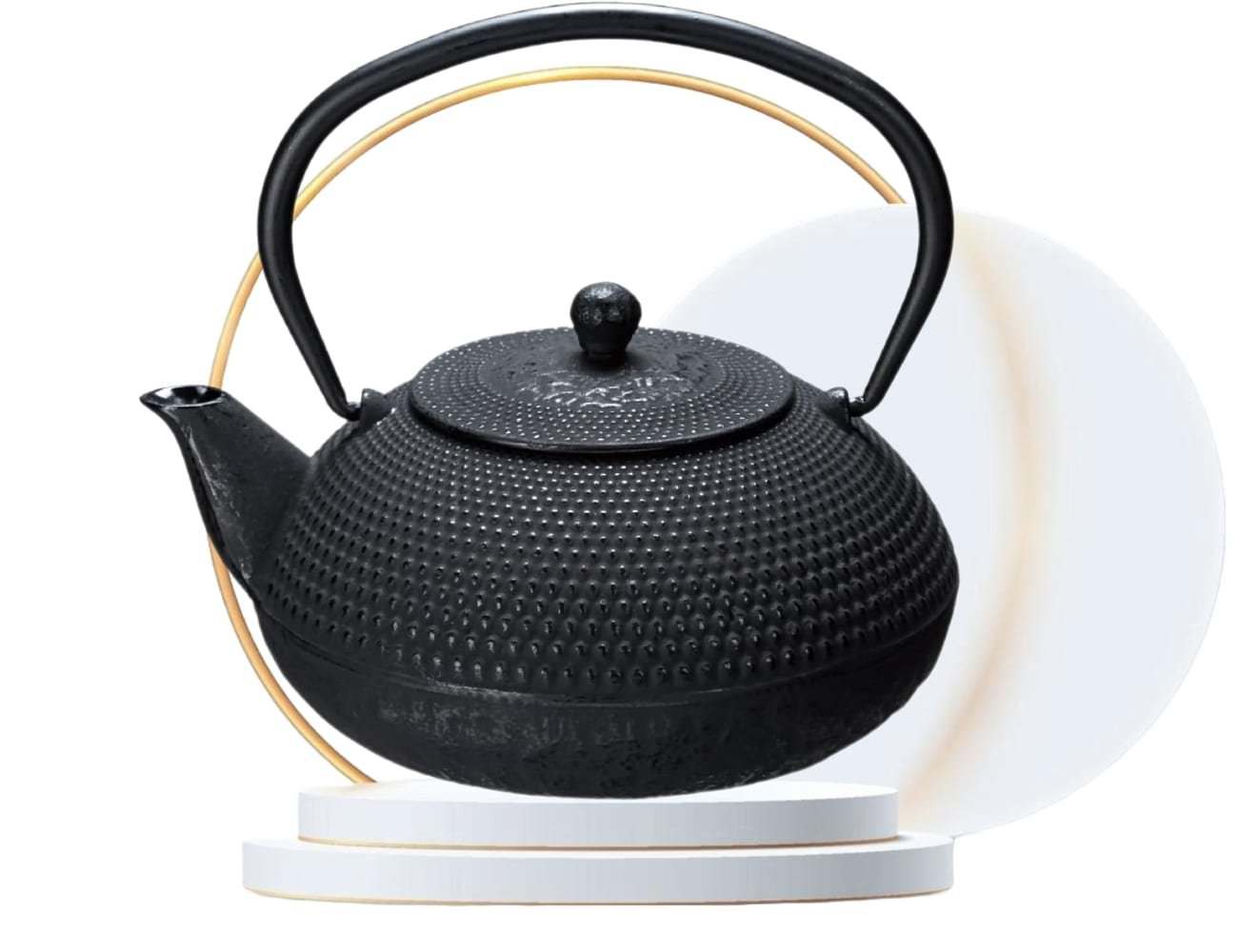
Suyika Tetsubin Cast Iron Teapot
Smooths frizz & lasting shine.
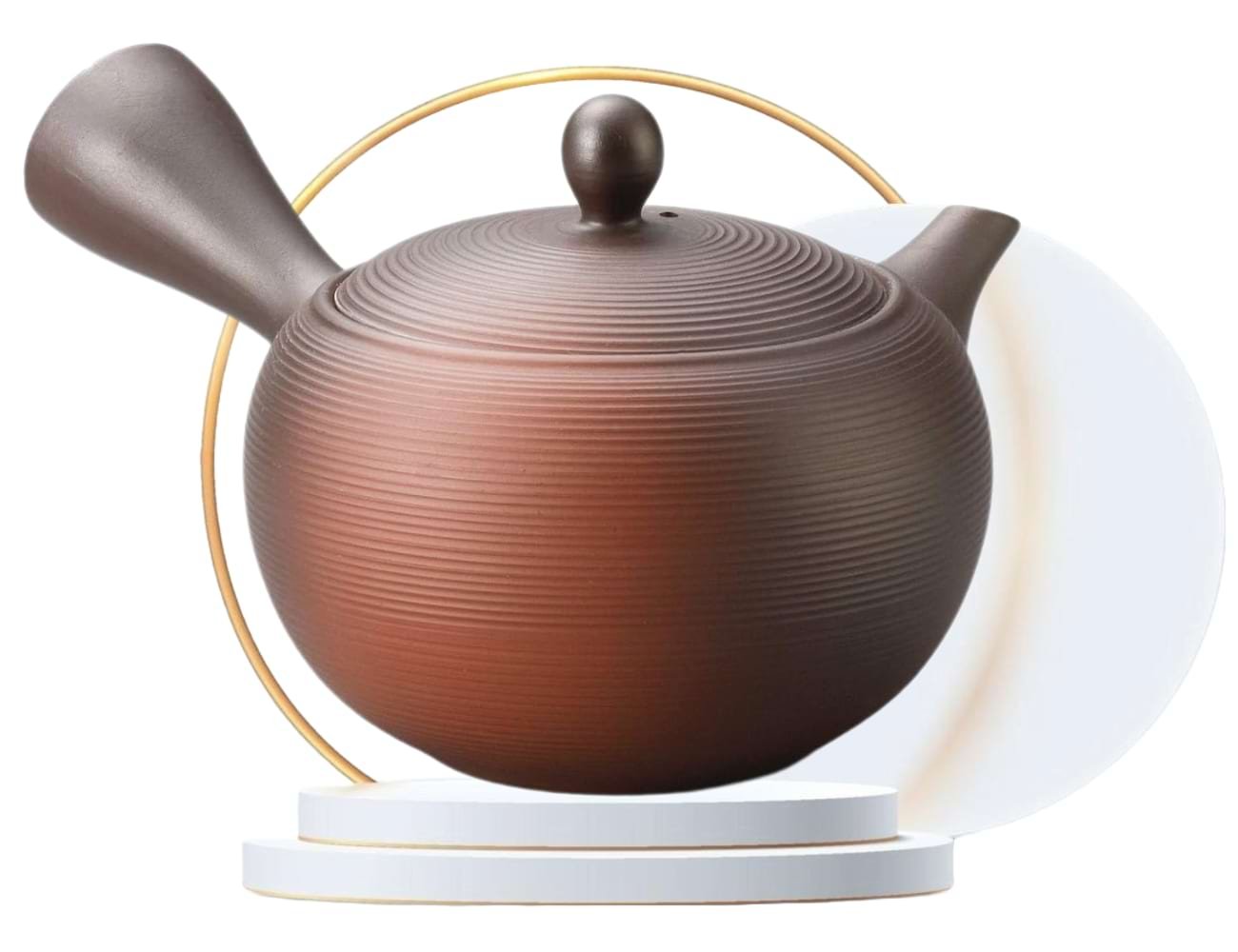
Fusen Tokoname Youhen Clay Kyusu
Clears oil and flakes easily.
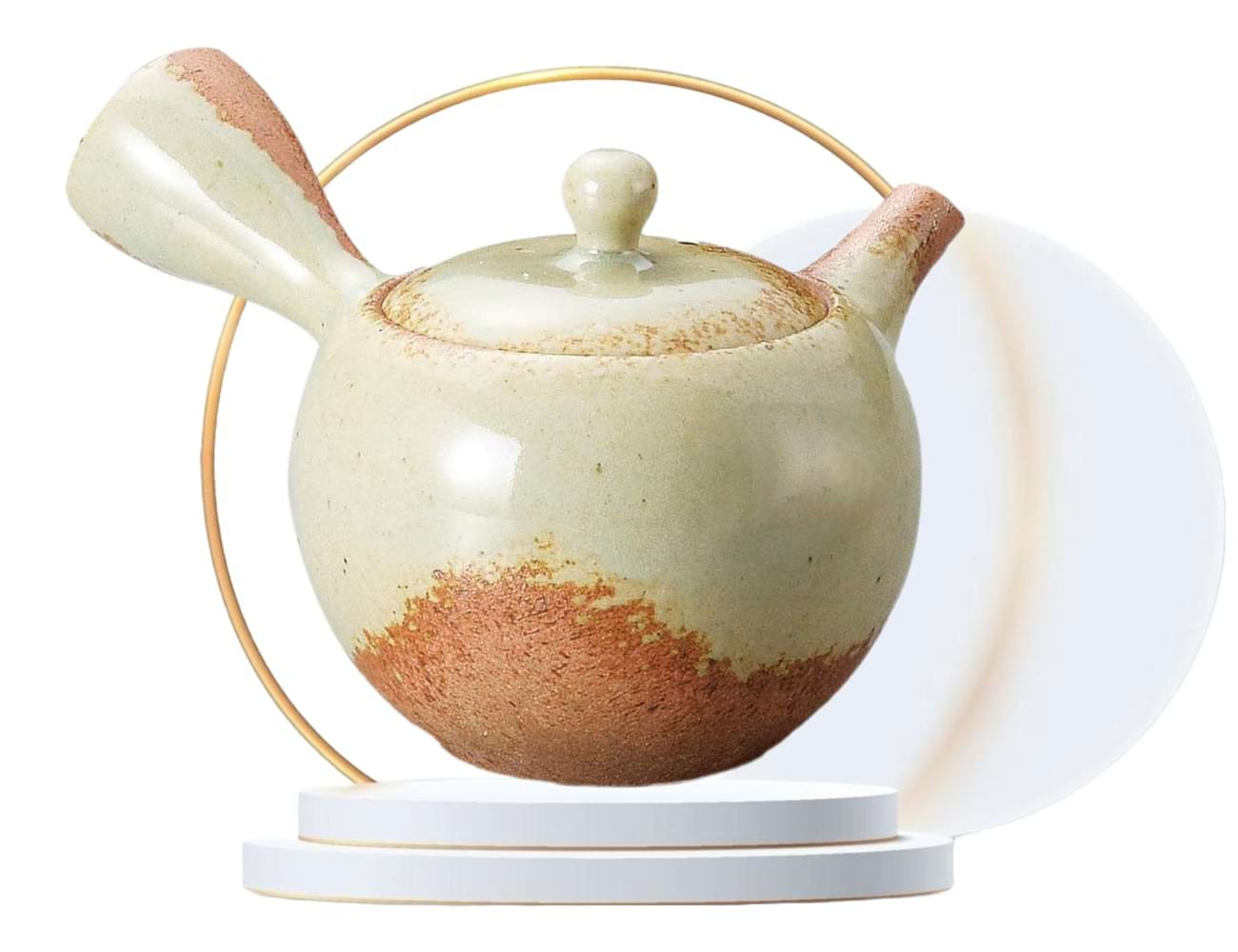
Isshin Tokoname Ash Glazed Round Teapot
Intense hydration and softness.
| Product | Click to Purchase | Review | Score |
|---|---|---|---|
| 🎖️4.Yamaki-ikai Tokoname Kyusu Shunjuu Scarlet Crest | Amazon Amazon JP | Read Review → | ★ 4.25 |
| 5.Isshin Tokoname Clay Kyusu | Amazon Amazon JP | Read Review → | ★ 4.10 |
| 6.Tokoname Ware Hakuyou Clay Kyusu | Amazon Amazon JP Rakuten | Read Review → | ★ 4.00 |
| 7.Takeharu Kyusu Sakura Clay Tokoname Teapot | Amazon Amazon JP | Read Review → | ★ 4.00 |
2. How Do We Choose the Best Japanese Teapots?
We selected some of the most popular Japanese teapots and narrowed them down to the top 7 worth buying today, including modern favorites and classic Japanese pottery styles. We did not focus only on sales or looks. We looked at what matters in daily use: pouring, cleaning, tea-leaf compatibility, comfort, and overall value.
2.1 How We Reviewed the Best Japanese Teapots
In our review process, we focused on these key factors:
- Material & Tea Experience: How ceramic, porcelain, glass, or cast iron affects heat retention, aroma, and brewing feel.
- Pouring Control: How smoothly the teapot pours and whether it drips.
- Filter Type: The strainer style and how it affects brewing and cleaning.
- Size & Capacity: Whether it works best for solo tea, two people, or guests.
- Comfort & Handling: Handle shape, lid fit, balance, and safety with hot water.
- Ease of Cleaning: How simple it is to rinse and maintain after use.
- Value for Money: Price compared with quality, usability, and durability.
- User Reviews & Popularity in Japan: What Japanese tea lovers and specialty shops recommend.
2.2 Our Methodology
We compared the most recommended Japanese teapots using the same points Japanese tea experts often highlight: material, capacity, filter type, opening width, and ease of pouring. We also considered different tea habits, because the best teapot for sencha is not always the best one for hojicha or casual daily use.
For example, smaller teapots are often better for sencha and gyokuro, while larger and thicker pots are more practical for hojicha, bancha, or serving several cups at once. We also found that filter design matters a lot. Fine mesh works well for smaller leaves, while ceramic filters offer a more traditional brewing experience.
After comparing all of these points, we selected the best Japanese teapots of 2026. Our picks cover different budgets, tea styles, and user needs, from beginner-friendly daily pots to more traditional options for serious Japanese tea fans.
3. The 7 Best Japanese Teapots of 2026 – Reviewed
Choosing the right Japanese teapot can feel confusing at first, especially with so many materials, shapes, and filter types available. To make things easier, we reviewed and ranked the 7 best Japanese teapots of 2026 for different needs.
Check below to see which teapots stood out and why we think they are worth your attention.
No.1. Suyika Tetsubin Cast Iron Teapot
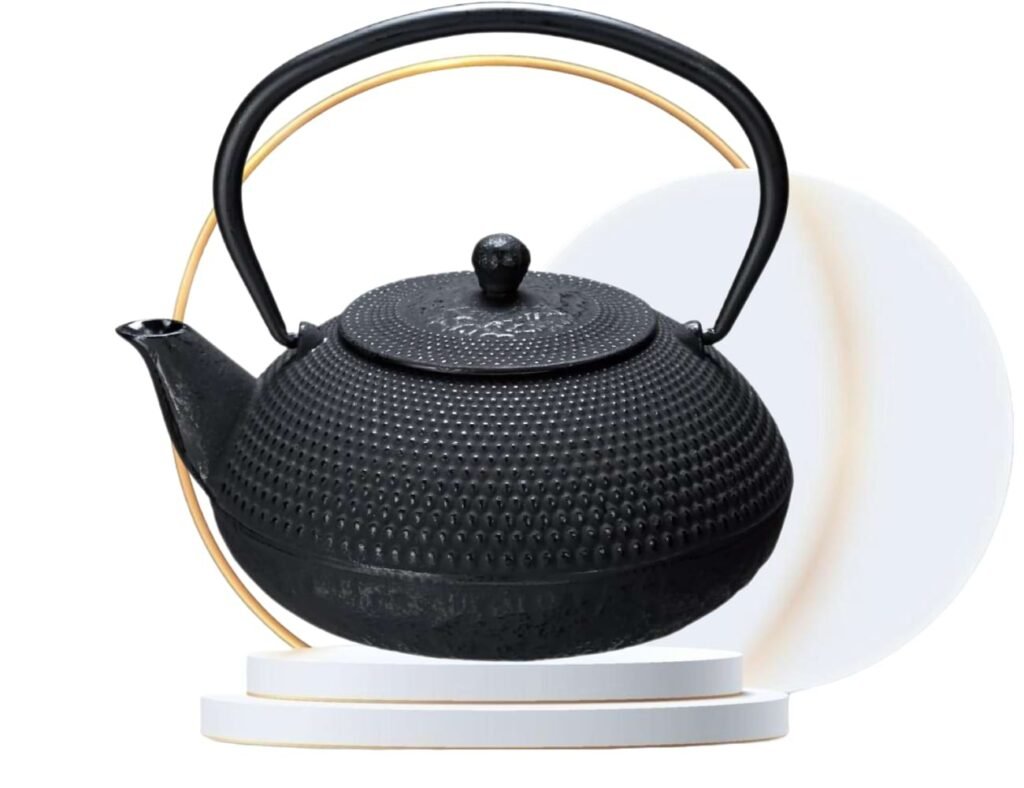
Suyika Tetsubin Cast Iron Teapot is a solid choice if we want a traditional cast iron teapot at a fair price. It has a classic tetsubin design, a stainless steel infuser, and a practical 30 oz size for 2 to 3 people.
We like it because it holds heat well and feels sturdy in hand. It is a good fit for daily tea, especially if we want a pot that keeps tea warm longer than many ceramic options.
Capacity: 900 ml full / 750 ml actual use | Best for: 2-3 people, daily tea brewing, low-heat stovetop use | Key features: cast iron body, stainless steel infuser, wood handle, hand wash only
No.2. Fusen Tokoname Youhen Clay Kyusu
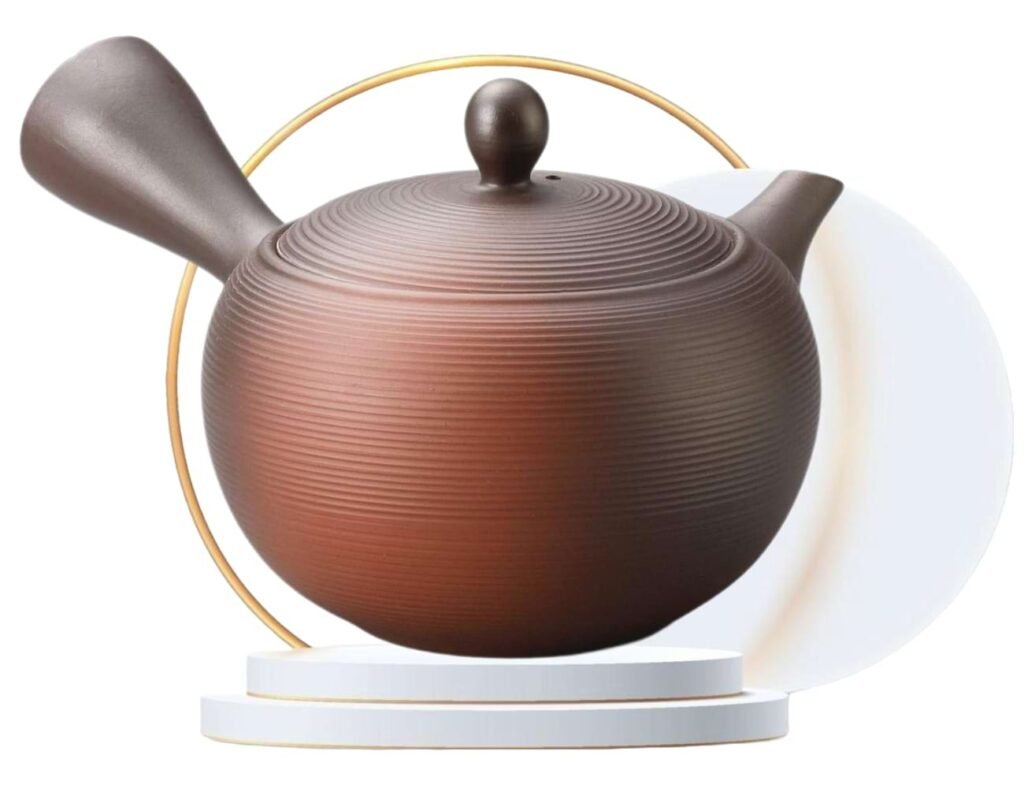
Fusen Tokoname Youhen Clay Kyusu is a very good pick for loose-leaf tea if we want something simple, traditional, and easy to use. It has the classic kyusu teapot feel, with a compact size that works well for daily green tea.
What makes it stand out is the all-clay build and the built-in clay strainer. We like that it keeps the brewing experience traditional and clean, without adding extra parts that can feel cheap or annoying to wash.
Capacity: 11.8 fl oz / 350 cc | Best for: loose-leaf green tea, one large cup, two small cups | Key features: clay material, kyusu style, built-in clay strainer, lid included, dishwasher safe
No.3. Isshin Tokoname Ash Glazed Round Teapot
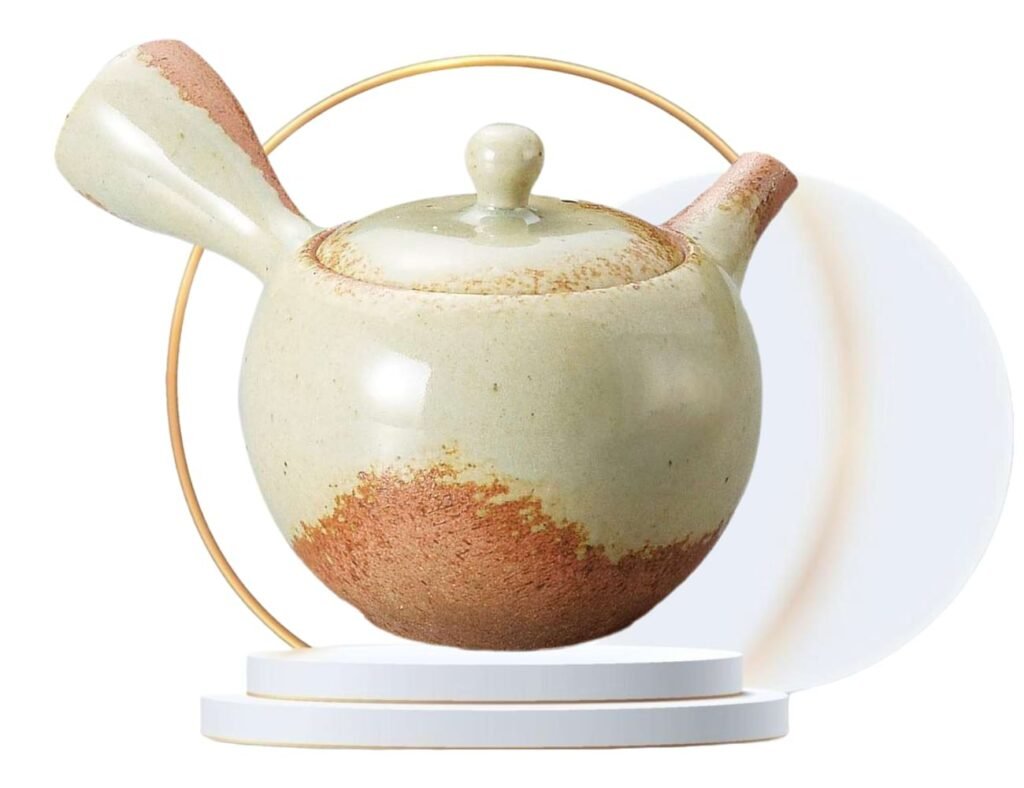
Isshin Tokoname Ash Glazed Round Teapot is a strong choice for anyone who wants a small Tokoname kyusu for daily Japanese tea. We like its traditional round shape, light earthenware body, and built-in filter that keeps brewing simple.
What gives this teapot its edge is balance. It feels authentic, pours cleanly, and suits sencha, loose-leaf green tea, and other small-batch brews very well. For the price, we think it offers very solid value.
Listed size: 230 ml / 8.1 fl oz | Best for: one person, sencha, loose-leaf Japanese tea, desk brewing | Key features: earthenware body, round kyusu shape, built-in filter, lid included, not dishwasher safe | Note: Amazon also lists 320 ml capacity in the product specs
No.4. Yamaki-ikai Tokoname Kyusu Shunjuu Scarlet Crest
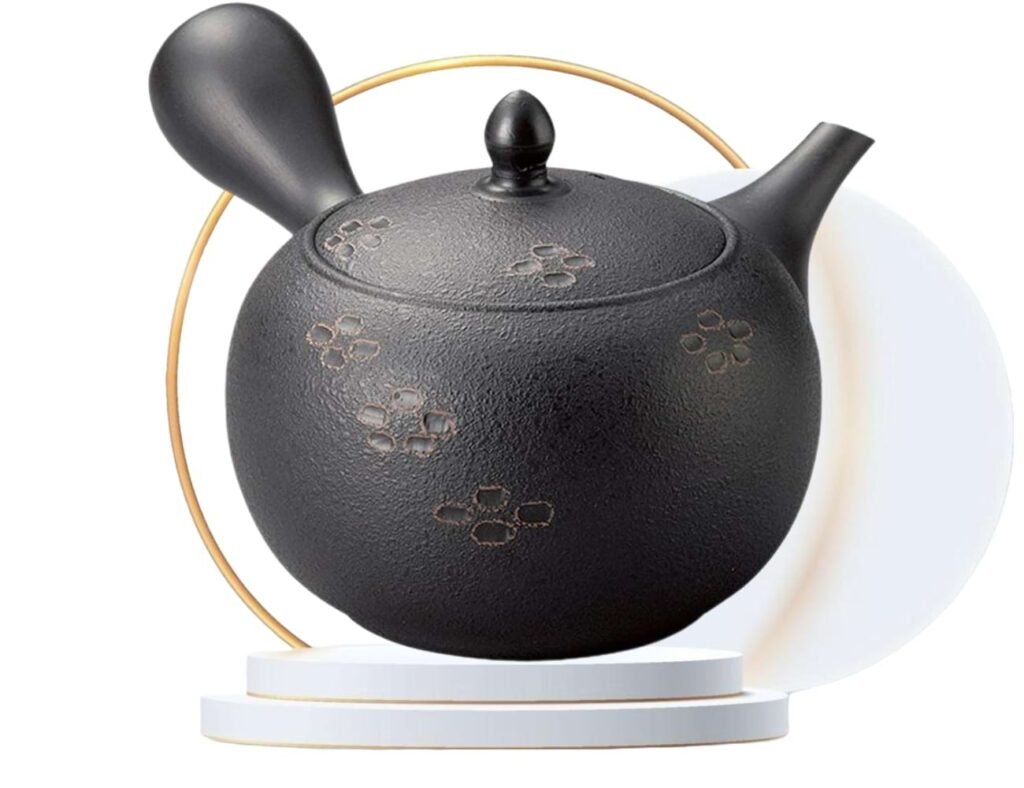
Yamaki-ikai Tokoname Kyusu Shunjuu Scarlet Crest is a nice option if we want a larger Tokoname kyusu for daily tea. It stands out for its scarlet and black finish, thin clay body, and a shape that feels more refined than many basic teapots.
We also like that it is made for real tea use, not just display. The size suits two small cups comfortably, and the Tokoname-style build focuses on balance, clean pouring, and a comfortable side handle.
Capacity: 15.6 fl oz | Best for: two small cups, daily Japanese tea, loose-leaf brewing | Key features: clay body, scarlet and black finish, lid included, not dishwasher safe
No.5. Isshin Tokoname Clay Kyusu
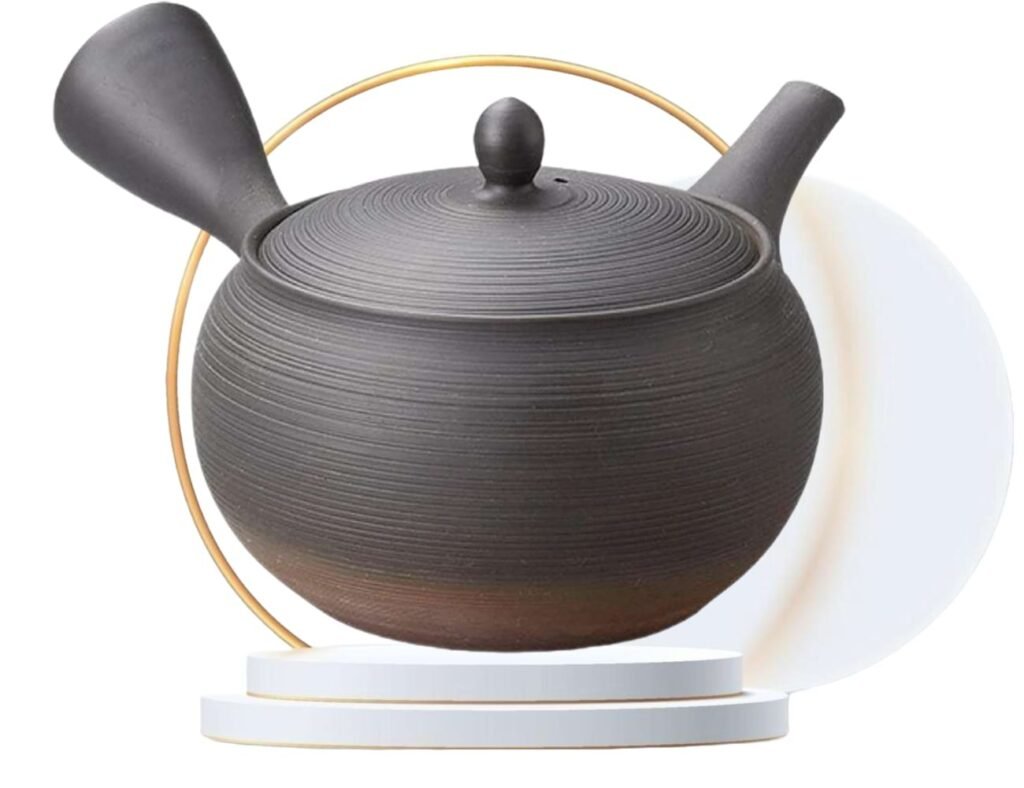
Isshin Tokoname Clay Kyusu is a compact Tokoname kyusu made for small, focused tea sessions. We like its simple black finish, light earthenware body, and classic side-handle shape for Japanese green tea.
This teapot is built for ease of use. The listing highlights a super stainless strainer, and the 11.5 oz size works well when we want one mug or a couple of small cups without making too much tea.
Capacity: 11.5 fl oz / 350 ml | Best for: one mug, two small cups, daily Japanese tea | Key features: earthenware body, black finish, side handle, stainless strainer, made in Japan, lid included, not dishwasher safe
No.6. Tokoname Ware Hakuyou Clay Kyusu
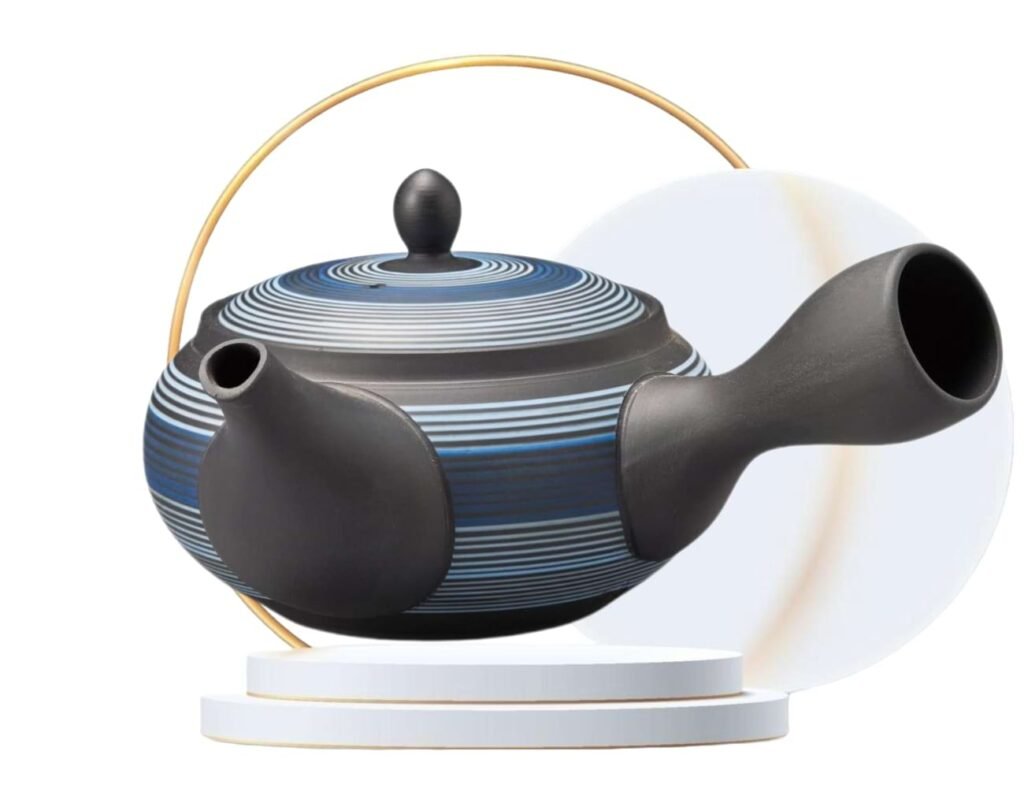
Tokoname Ware Hakuyou Clay Kyusu is a very nice Tokoname kyusu for daily tea. We like the warm brown clay, spiral finish, and practical size.
Its main strength is the Tokoname clay. This type of clay is known for giving tea a mellower taste and bringing out aroma, which makes it a good fit for sencha and other loose-leaf teas.
Capacity: 15.2 fl oz / 450 cc | Best for: sencha, loose-leaf tea, daily table use | Key features: Tokoname ware, clay body, spiral design, made in Japan, lid included, not dishwasher safe
No.7. Takeharu Kyusu Sakura Clay Tokoname Teapot
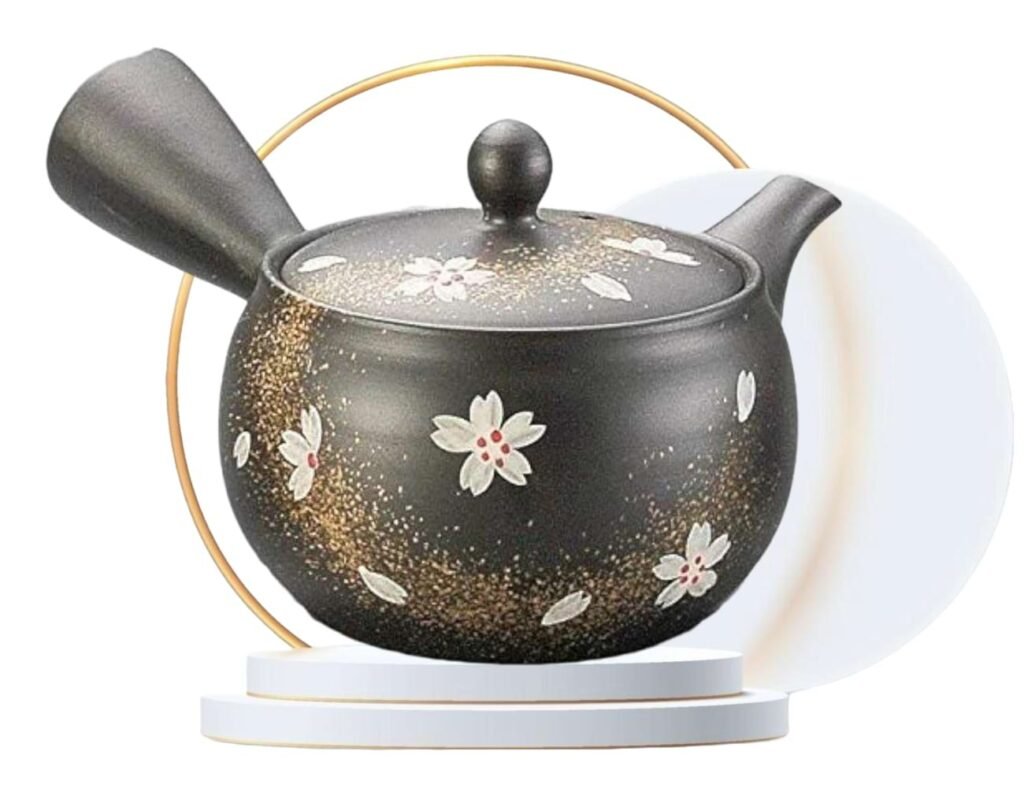
Takeharu Kyusu Sakura Clay Tokoname Teapot feels more like a crafted tea piece than a basic daily pot. We like the black clay body, the detailed pattern work, and the larger 15.5 oz kyusu size for sharing tea.
It also has the kind of features we want in a real Tokoname teapot: a built-in clay strainer, a side handle, and a shape made for clean, controlled pouring. Tokoname kyusu are especially valued for being easy to use while helping bring out the best in Japanese tea.
Capacity: 15.5 fl oz | Best for: Japanese green tea, two small cups, traditional daily brewing | Key features: Tokoname clay, built-in clay strainer, hand-crafted by SHUNJUU, made in Japan, lid included, not dishwasher safe
4. How to Choose the Best Japanese Teapots For Your Tea Time
Picking the right Japanese teapot depends on the kind of tea you drink, how many cups you usually make, and the brewing style you enjoy most. We recommend matching the teapot’s material, size, and filter type to your daily tea routine.
- Best Japanese Teapot for Heat Retention: Choose a cast iron teapot if you want tea to stay warm longer and prefer a heavier, more solid feel. We like the Suyika Tetsubin Cast Iron Teapot for its strong heat retention, classic look, and good everyday value.
- Best Japanese Teapot for Traditional Loose-Leaf Green Tea: Go for a Tokoname clay kyusu with a built-in strainer if you mainly drink sencha or other Japanese green teas. We recommend the Fusen Tokoname Youhen Clay Kyusu because it feels authentic, pours well, and keeps the brewing process simple.
- Best Japanese Teapot for One Person: Pick a smaller kyusu teapot if you usually make one large cup or two small cups at a time. Our top choice is the Isshin Tokoname Ash Glazed Round Teapot, which has a practical size, smooth filter performance, and a very easy daily-use feel.
- Best Japanese Teapot for Two People: Choose a medium-size Japanese clay teapot when you want enough tea for two without making the pot feel bulky. We like the Yamaki-ikai Tokoname Kyusu Shunjuu Scarlet Crest for its comfortable handling, clean pour, and balanced size.
- Best Japanese Teapot for Daily Tea Lovers: Look for a Tokoname ware teapot with a comfortable shape and enough capacity for regular use at meals or tea breaks. We recommend the Tokoname Ware Hakuyou Clay Kyusu because it feels sturdy, has a mellow clay-brewed tea character, and works well for everyday brewing.
Still looking for the right Japanese tea set or similar item?
Explore more rankings, buying guides and related Japanese tea articles below:
5. FAQ
What is the best Japanese teapot for beginners?
For most people, the best first Japanese teapot is a round Tokoname kyusu around 200–300 ml. That size is easy to handle, works well for 1–3 servings, and suits everyday sencha and other loose-leaf Japanese teas.
Is a kyusu better than a regular teapot for Japanese green tea?
Yes. A kyusu is specifically recommended for brewing green tea, and its shape and filter design make it easier to steep loose leaves evenly and pour without overbrewing.
What size Japanese teapot should I buy?
Buy by cups, not by looks. Around 100–200 ml is good for 1–2 people, 200–350 ml suits 2–3 people, and 350–600 ml is better for serving several cups. Many everyday kyusu also fall around 200–330 cc, which is why that range feels practical for most homes.
What is the difference between a kyusu and a tetsubin?
A kyusu is a teapot made for steeping tea. A tetsubin is traditionally an iron kettle for boiling water. Many cast-iron “teapots” sold today have an enamel interior and are meant for brewing, while traditional iron kettles are usually uncoated inside.
Does a Tokoname clay teapot really change the taste of tea?
It can. Tokoname clay is widely valued because its iron-rich clay is often said to soften astringency and make Japanese green tea taste rounder and mellower. That is one reason Tokoname kyusu are so popular with green tea drinkers.
How do you clean a Japanese teapot properly?
Keep it simple. Many kyusu guides recommend rinsing with hot water, avoiding harsh soap unless really needed, and drying the pot well before storing it. For daily brewing, preheating the teapot before use also helps maintain temperature and improve the brew.
Table of Contents