The right Japanese rice cracker can turn a simple snack into something much more satisfying. In this guide, we have ranked and reviewed the best Japanese rice crackers of 2026 to help you find the right pick fast, whether you like salty, light, crunchy, spicy, or classic soy sauce flavor.
We believe a good Japanese senbei or arare snack should have great texture, balanced seasoning, and real rice flavor. In Japan, you can find all kinds of options, from traditional soy sauce crackers to modern mixes, shrimp rice crackers, and premium gift-style packs.
With so many choices on the market, it is not always easy to know which ones are really worth buying. That is why we compared the most popular options ourselves here at Dandi Japan and picked the ones that truly stand out.
Let’s get into our top picks.
1. Our Japanese Rice Crackers Top Picks
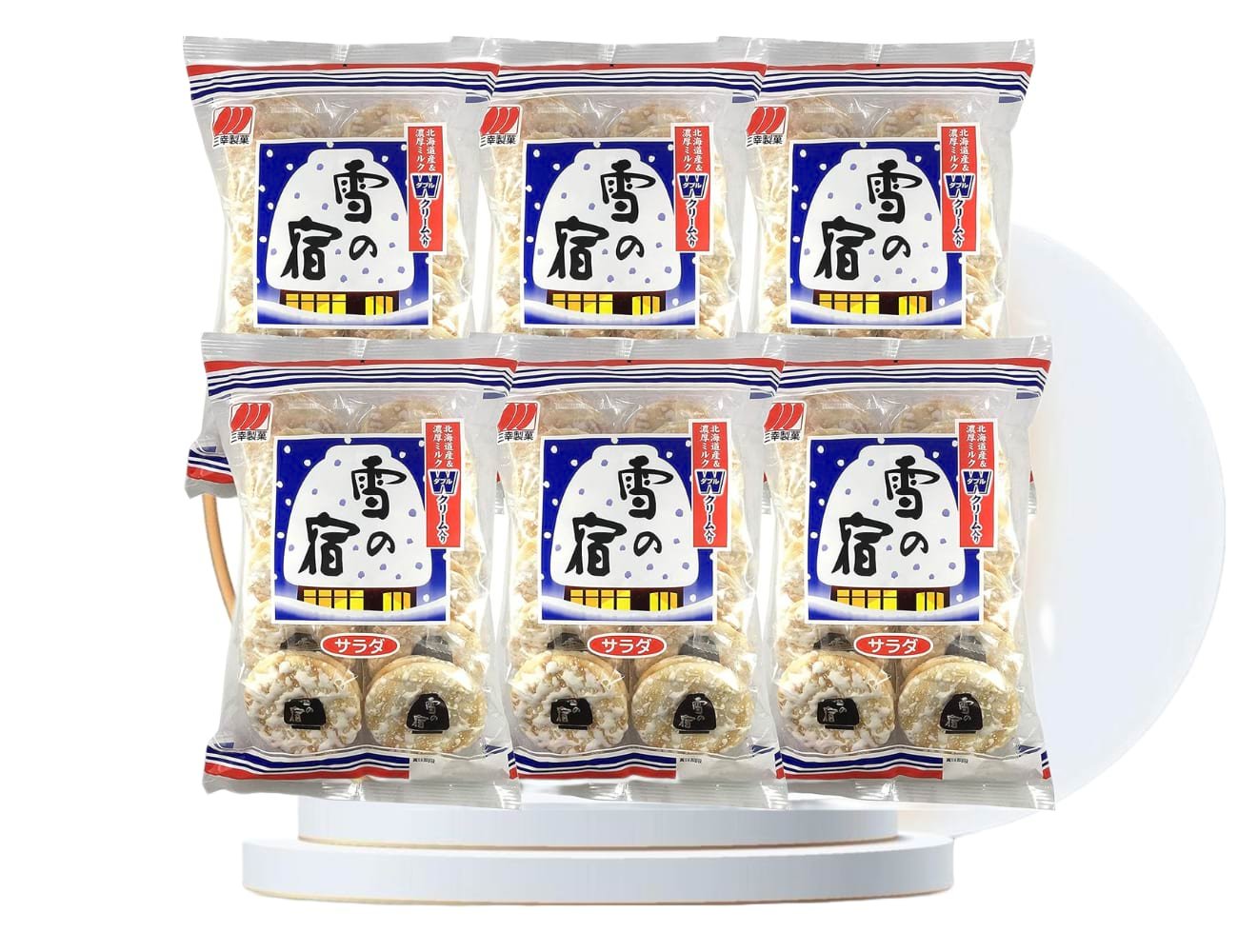
Sanko Seika Yuki no Yado Rice Crackers
Smooths frizz & lasting shine.
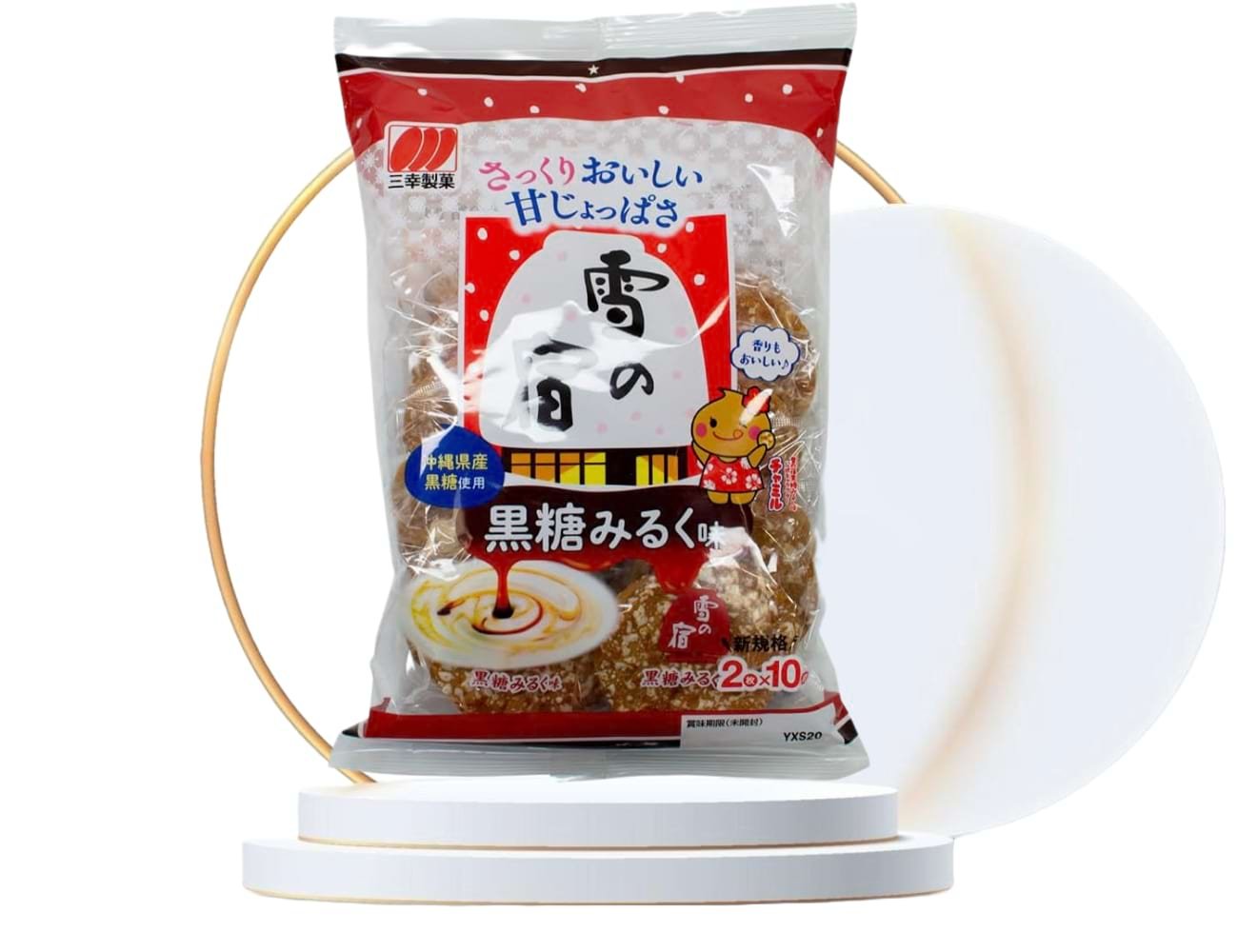
Kameda Seika Pota Pota Yaki Senbei
Clears oil and flakes easily.
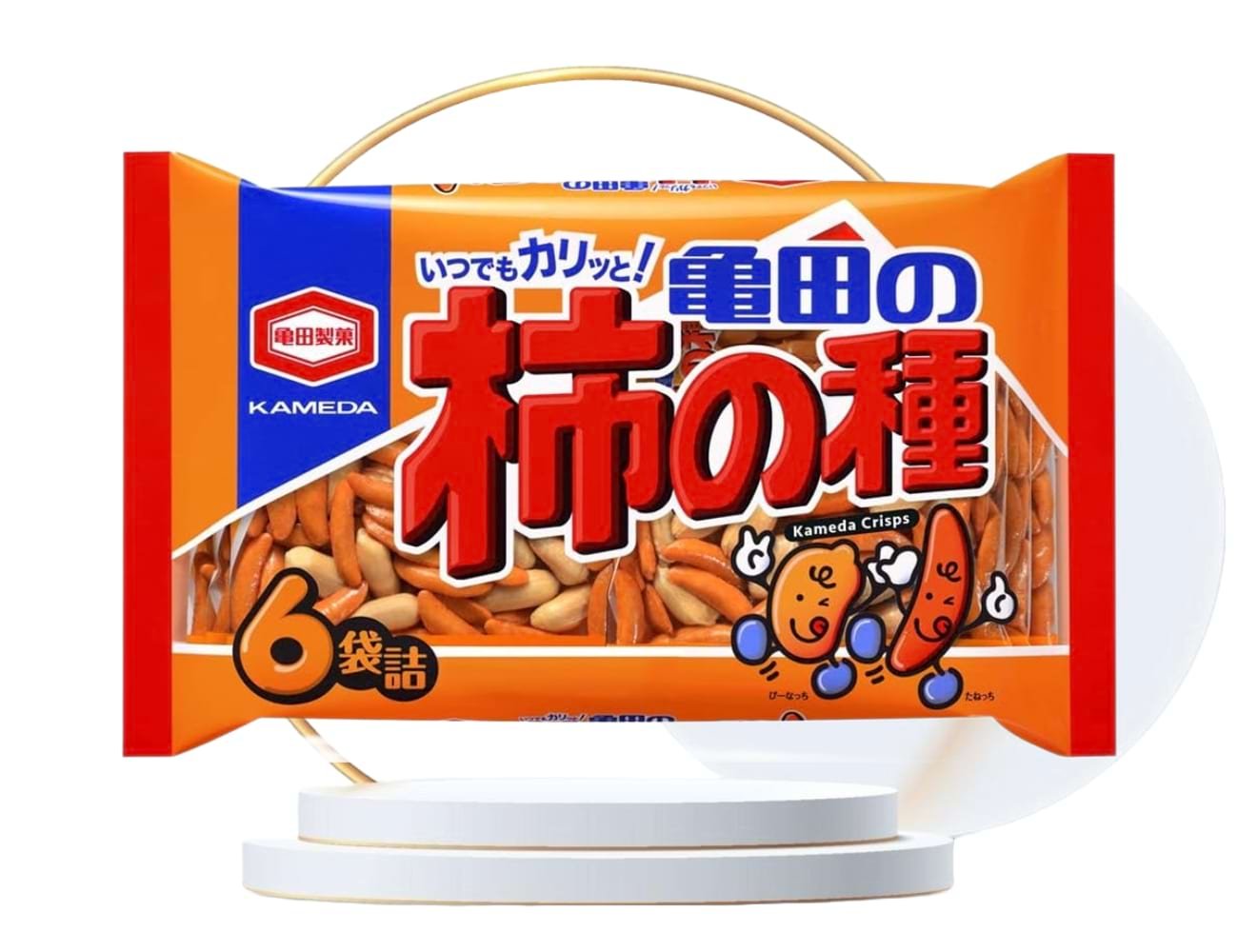
Kameda Seika Kaki no Tane with Peanuts
Intense hydration and softness.
| Product | Click to Purchase | Review | Score |
|---|---|---|---|
| 🎖️4.Echigo Seika Funwari Meijin Kinako Mochi Puffs | Amazon Amazon JP Rakuten | Read Review → | ★ 4.25 |
| 5.Iwatsuka Seika Osodefuri Mamemochi Okaki | Amazon Amazon JP Rakuten | Read Review → | ★ 4.10 |
| 6.Befco Bakauke Aonori | Amazon Amazon JP | Read Review → | ★ 4.00 |
| 7.Amanoya Kabukiage Soy-Sauce Okaki | Amazon Amazon JP Rakuten | Read Review → | ★ 4.00 |
2. How Do We Choose the Best Japanese Rice Crackers?
We selected 9 popular Japanese rice crackers and narrowed them down to the top 7 you can buy today, including both new finds and long-loved classics. We did not rely only on rankings or sales data, we tasted each one ourselves to make sure every pick was truly worth recommending.
2.1 How We Reviewed the Best Japanese Rice Crackers
In our testing, we focused on these key points:
- Taste Balance: How well the salt, soy sauce, sweetness, spice, or umami worked together.
- Texture & Crunch: Whether the cracker felt light, crisp, airy, hard, or pleasantly crunchy.
- Rice Flavor: How much real rice taste came through in each bite.
- Seasoning Quality: Whether the flavor felt clean and well-coated instead of too strong or uneven.
- Ingredient Quality: Use of good rice, seaweed, shrimp, sesame, or other classic Japanese ingredients.
- Aftertaste: Whether the finish stayed pleasant and made us want another bite.
- Value for Money: Price compared with portion size, quality, and overall snacking experience.
- Popularity in Japan: Real customer feedback and how often the product appears in trusted Japanese rankings and shops.
In our experience, the best Japanese senbei were not always the most famous ones. The strongest picks were the crackers we kept reaching for because they tasted good, felt satisfying, and never got boring.
2.2 Our Methodology
We spent time tasting each rice cracker more than once instead of judging it from one quick bite. Also, we compared classic soy sauce crackers, lighter arare mixes, shrimp crackers, and other popular styles to see which ones really stood out.
We also paid attention to different snacking moments. In our opinion, lighter and crispier crackers worked better for casual everyday snacking, while richer and more deeply seasoned senbei felt better with tea or as a gift-style snack. That helped us choose a balanced final list for different tastes.
After careful tasting and group comparison, we selected the best Japanese rice crackers of 2026. Our picks offer strong flavor, great texture, and good variety for all kinds of snack lovers.
3. The 7 Best Japanese Rice Crackers of 2026 – Tested and Reviewed
Choosing the right Japanese rice cracker can take time, so we tested and ranked the 7 best Japanese rice crackers of 2026 to make it easier.
Below, we share the crackers that stood out most and why we enjoyed them.
No.1. Sanko Seika Yuki no Yado Rice Crackers
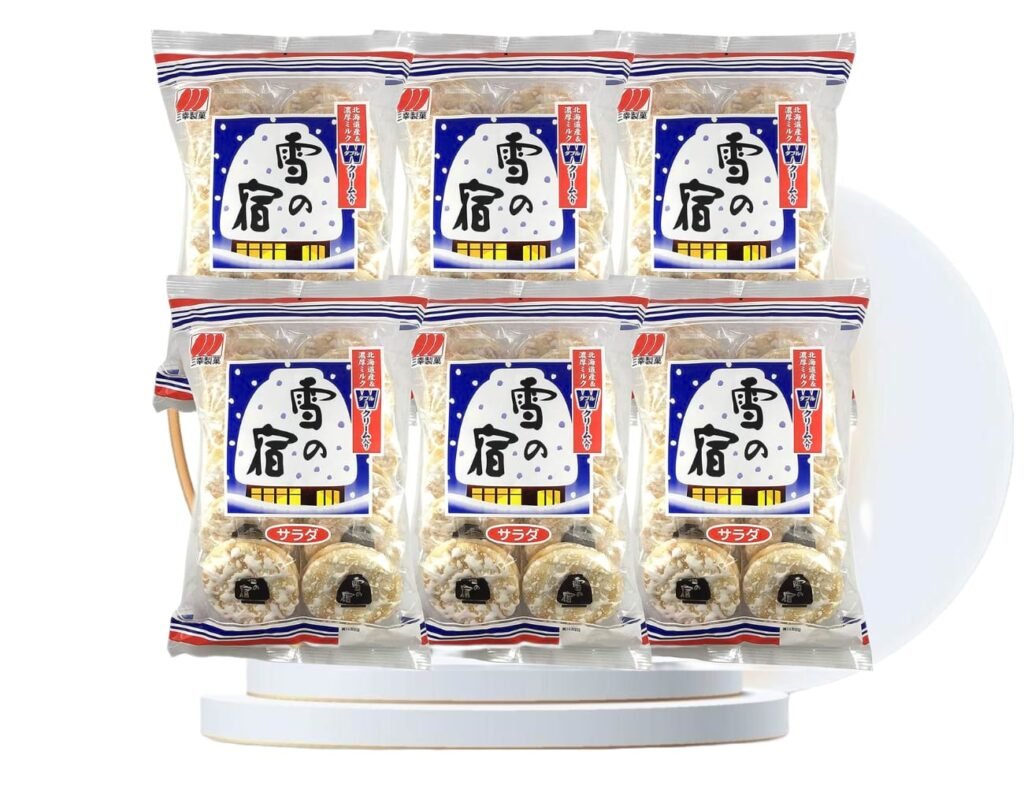
Sanko Seika Yuki no Yado Rice Crackers is a classic Japanese rice cracker with a sweet and salty taste. It combines a soft rice cracker base with a mild milk coating, which gives it its well-known flavor.
This set includes 20 crackers x 3 bags and tea. We like that it feels simple, familiar, and easy to enjoy at home. The use of Hokkaido fresh cream gives the topping a softer and smoother taste.
Contents: 20 crackers x 3 bags + 1 tea | Best for: tea time, casual snacking, sweet and salty senbei fans | Key ingredients: rice, sugar, salt, milk ingredients, Hokkaido fresh cream, skim milk powder, soy sauce powder
No.2. Kameda Seika Pota Pota Yaki Senbei
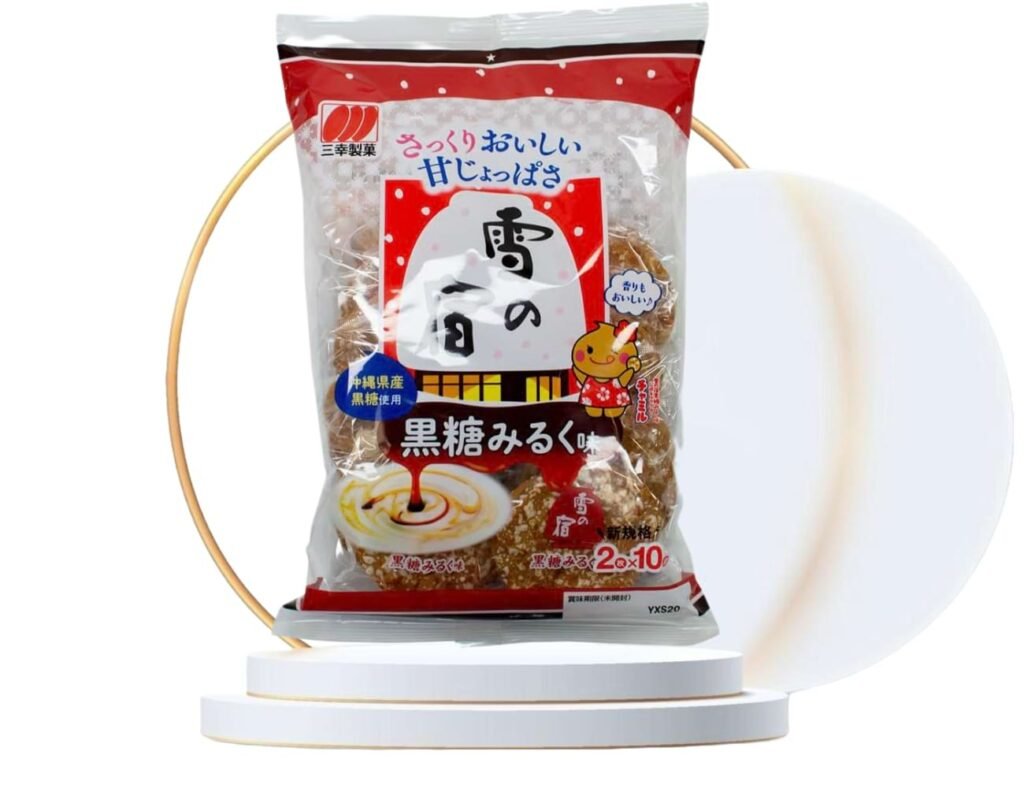
Kameda Seika Pota Pota Yaki Senbei is a very practical Japanese rice cracker mix. We like that it gives two classic Kameda styles in one box: Potapota Yaki with a gentle sweet soy sauce taste, and Age Ichiban with a crisp fried texture and mild honey soy sauce flavor.
This set stands out because it is easy to share and easy to compare. In our opinion, it works well when we want both a softer, sweeter senbei and a crunchier, richer one in the same pack. The individual wrapping also makes it much more convenient than a standard family bag.
Contents: Potapota Yaki 6g × 200, Age Ichiban 7g × 200 | Best for: sharing, events, office snacks, gift use | Key ingredients: uruchi rice
No.3. Kameda Seika Kaki no Tane with Peanuts
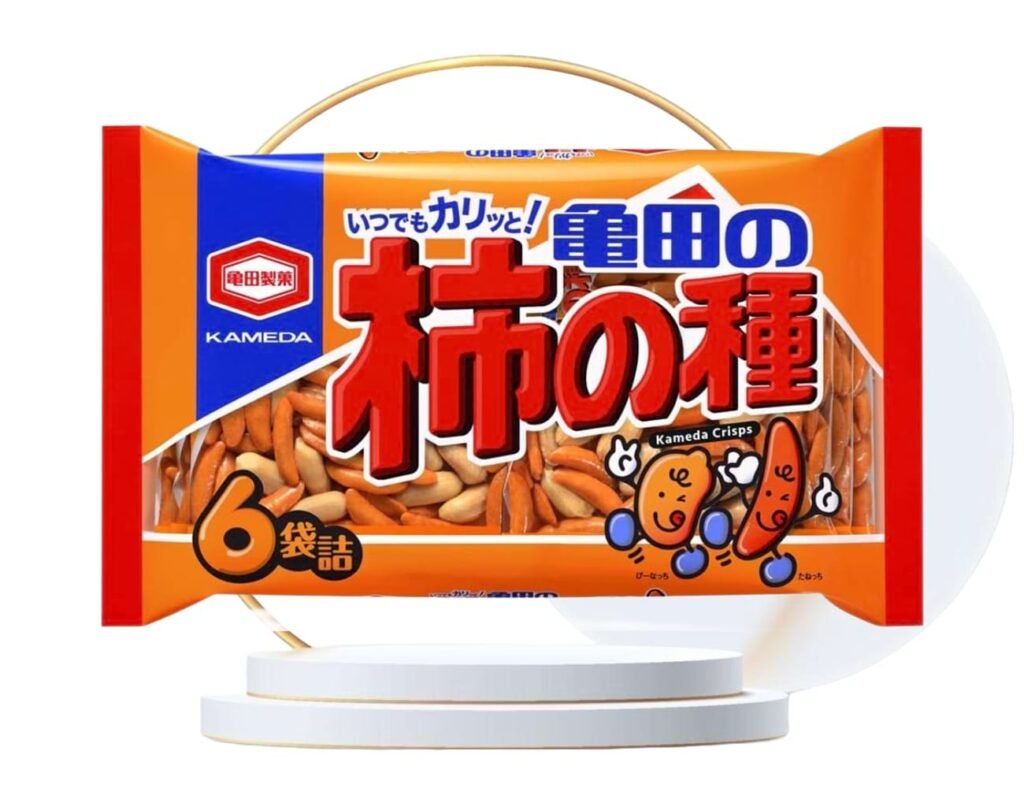
Kameda Seika Kaki no Tane with Peanuts is one of the most classic Japanese rice cracker snacks. It mixes crunchy crescent-shaped crackers with peanuts, so each bite feels balanced, savory, and easy to keep eating.
What makes it stand out is that contrast. The crackers bring a light spice and crisp texture, while the peanuts soften the flavor and make the snack more satisfying. In our opinion, this is one of the easiest Japanese senbei snacks to enjoy if you want something simple but never boring.
Size: 200g × 4 packs | Best for: everyday snacking, sharing, TV time | Key ingredients: rice crackers, peanuts
No.4. Echigo Seika Funwari Meijin Kinako Mochi Puffs
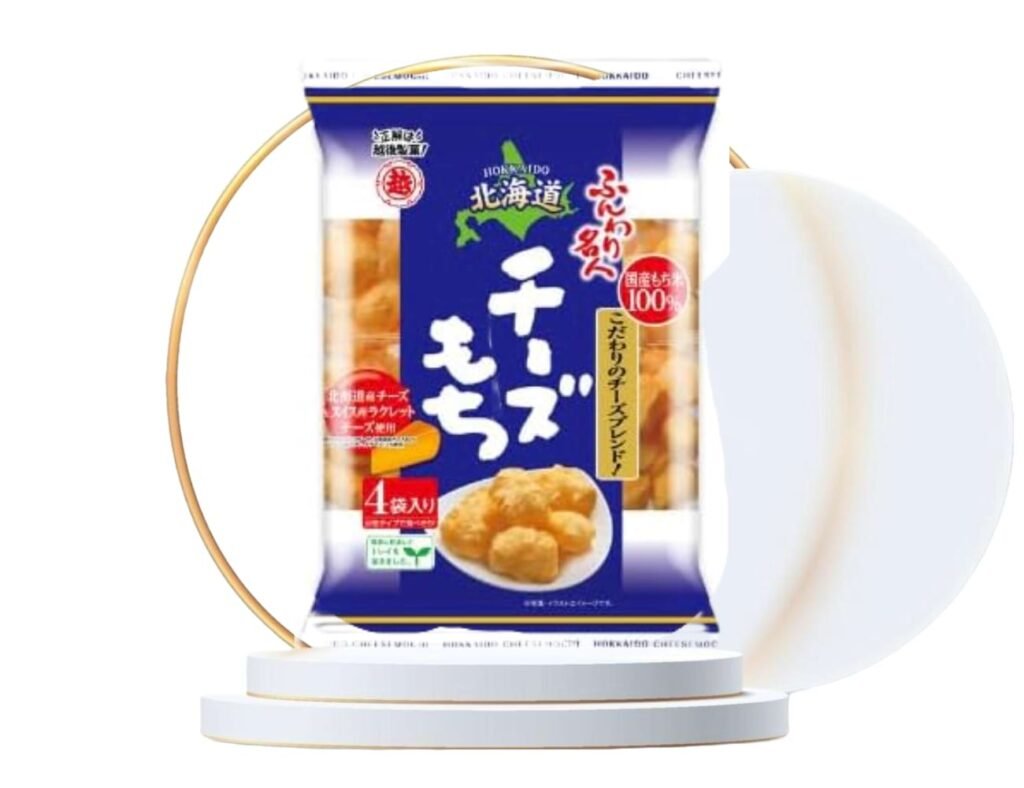
Echigo Seika Funwari Meijin Kinako Mochi Puffs is very different from a regular Japanese rice cracker. It is light, airy, and melts fast in the mouth, with a rich kinako taste that gives it a soft roasted soybean flavor.
What makes it special is the balance. The kinako is sweet, but not flat, and the small touch of salt keeps it from feeling too heavy. We also like that it feels closer to a delicate Japanese snack than a hard senbei.
Size: 75g | Best for: light snacking, kinako lovers, soft-texture rice snacks | Key ingredients: domestic glutinous rice, kinako from Hokkaido soybeans, wasanbon blended sugar, vegetable oil, salt
No.5. Iwatsuka Seika Osodefuri Mamemochi Okaki
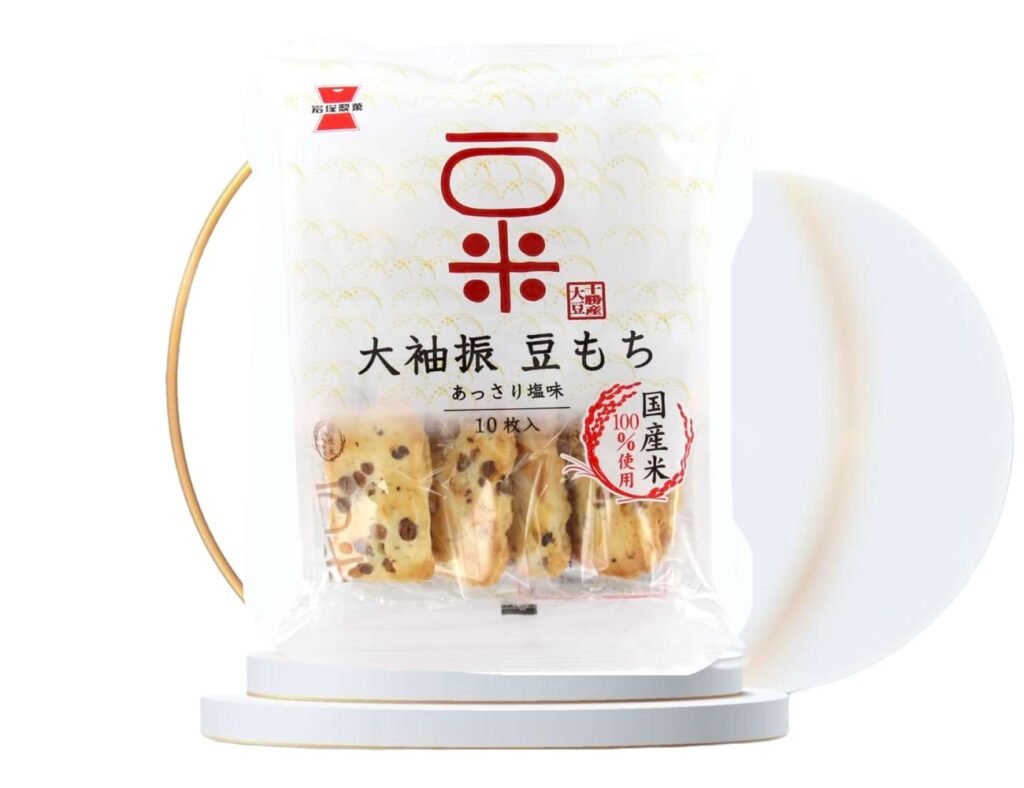
Iwatsuka Seika Osodefuri Mamemochi Okaki is a soft okaki rice cracker with a very clear focus: rice and beans. It uses Tokachi Osodefuri soybeans and Japanese glutinous rice, so the flavor feels natural and traditional.
What we like most is the balance. The light salt brings out the toasted rice taste and the gentle sweetness of the beans instead of covering them.
Size: 10 pieces × 6 bags | Best for: tea time, traditional snack lovers, soft okaki fans | Key ingredients: domestic glutinous rice, Tokachi Osodefuri soybeans, vegetable oil, starch, salt
No.6. Befco Bakauke Aonori
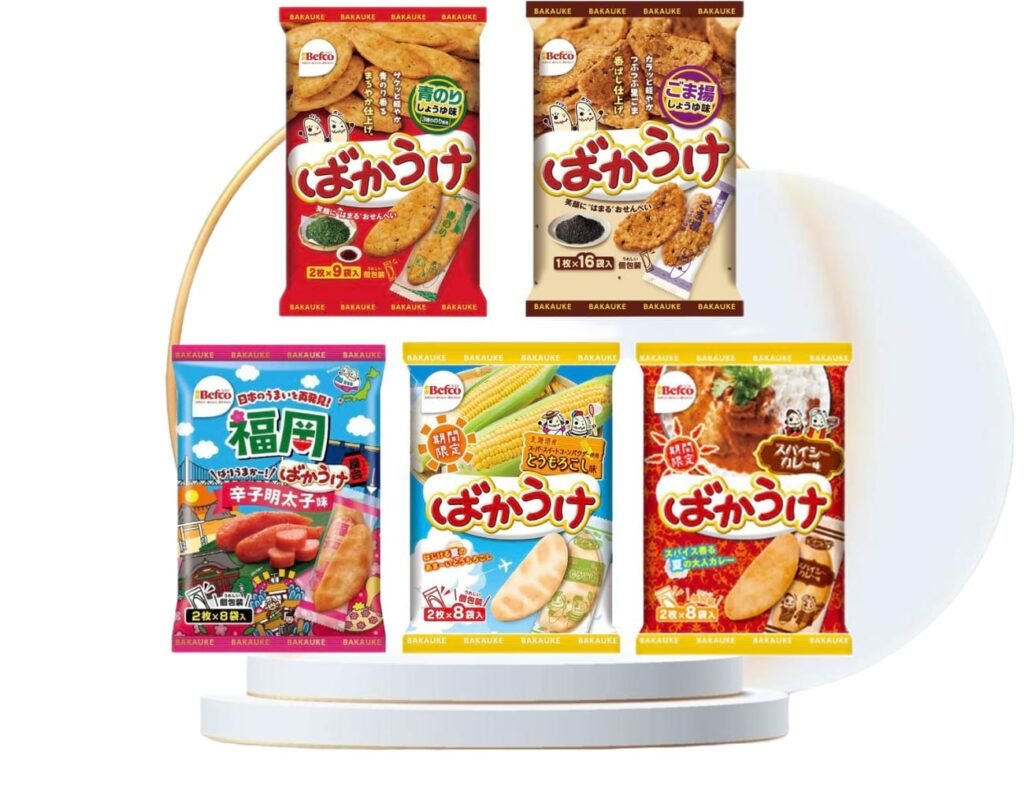
Befco Bakauke Aonori is the signature Bakauke flavor, and that matters here. This is the original taste that launched the brand, built around a mellow soy sauce base and real green seaweed worked into the dough.
The sharp angle is the flavor balance. It is not just soy sauce, and it is not just seaweed. The aonori gives aroma first, then the soy sauce comes in softer than expected, which keeps the cracker easy to eat.
Size: 18 pieces (2 pieces × 9 bags) × 6 packs | Best for: daily snacking, sharing, classic senbei fans | Key ingredients: rice flour, rice, soy sauce, aosa, aonori, roasted nori
No.7. Amanoya Kabukiage Soy-Sauce Okaki
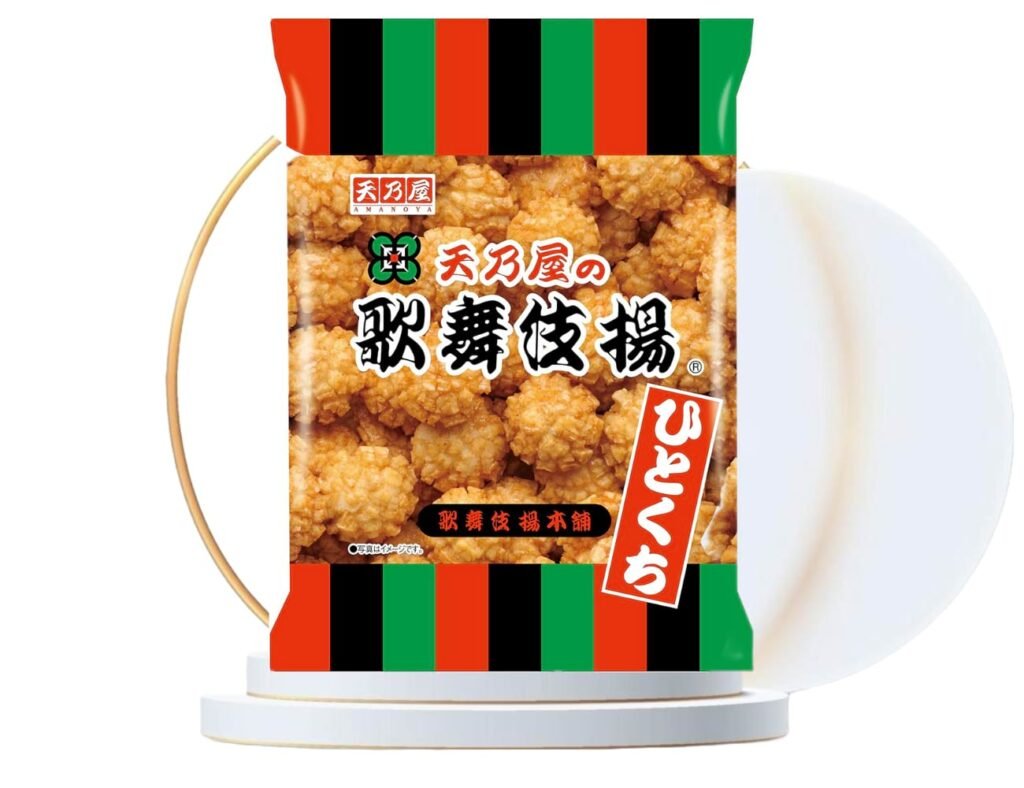
Amanoya Kabukiage Soy-Sauce Okaki is a classic fried rice cracker with a very clear identity: a crisp base, a sweet soy sauce glaze, and the kabuki crest pressed into each piece. It has been a long-selling snack since 1960, and that makes sense once we taste it.
The sharp point here is the glaze. It is sweeter than a standard soy sauce senbei, but the fried finish keeps it rich and toasty instead of flat. That sweet-salty balance is what gives Kabukiage its own lane.
Size: 11 pieces | Best for: sweet-savory senbei fans, tea time, nostalgic Japanese snacks | Key ingredients: uruchi rice, vegetable oil, sugar, soy sauce, glucose-fructose syrup, seasoning extract, salt
4. How to Choose the Best Japanese Rice Crackers For Every Snack Time
Picking the right Japanese rice cracker depends on the texture, flavor, and moment. Some are better for tea, some are better for quick snacking, and some are much easier to share. We like matching the cracker style to the snack mood:
- Best Japanese rice cracker for sweet and salty flavor: Sanko Seika Yuki no Yado Rice Crackers. A soft cracker with a light milk coating that feels balanced and easy to enjoy.
- Best Japanese rice cracker for classic tea time: Iwatsuka Seika Osodefuri Mamemochi Okaki. Mild salt, soft okaki texture, and real soybean flavor make it a calm traditional pick.
- Best Japanese rice cracker for everyday snacking: Kameda Seika Kaki no Tane with Peanuts. Crunchy, savory, and very easy to keep eating during breaks or while watching TV.
- Best Japanese rice cracker for soft texture lovers: Echigo Seika Funwari Meijin Kinako Mochi Puffs. Light, airy, and quick to melt, with a sweet roasted soybean taste.
- Best Japanese rice cracker for classic soy sauce taste: Amanoya Kabukiage Soy-Sauce Okaki. Fried, crisp, and coated with a rich sweet soy sauce glaze that stands out fast.
Still looking for the right Japanese rice or similar item?
Explore more rankings, buying guides and related Japanese rice articles below:
5. FAQ
What is the difference between senbei, okaki, and arare?
Senbei are usually made from non-glutinous rice and tend to be flatter and firmer. Okaki and arare are usually made from glutinous rice; okaki is often larger and richer, while arare is smaller and bite-sized.
Are Japanese rice crackers always savory?
No. Some are clearly savory, like Befco Bakauke Aonori Soy Sauce, while others are sweet-salty, like Yuki no Yado, and some lean sweet, like Funwari Meijin Kinako Mochi. That mix of soy sauce, salt, sugar, seaweed, milk, or kinako is exactly why Japanese rice crackers feel so varied.
Are Japanese rice crackers gluten-free?
Not always. Even when the base is rice, many popular crackers use soy sauce that contains wheat, and some also include milk, peanuts, or soy. Always check the ingredient label and allergen line before buying.
Which Japanese rice crackers are best for beginners?
For first-time buyers, we would start with Yuki no Yado for a gentle sweet-salty taste, Bakauke Aonori Soy Sauce for a classic seaweed-soy flavor, and Kaki no Tane with Peanuts for a more lively, crunchy snack. These three cover the main flavor styles without being too niche.
How should I store Japanese rice crackers after opening?
Keep them sealed and dry. Kameda says crackers can lose their crispness quickly once opened, especially in humidity, and Iwatsuka also recommends moving them to a sealed container and eating them soon after opening.
What is kaki no tane, and why does it come with peanuts?
Kaki no tane is a crescent-shaped, usually spicy soy sauce rice cracker. The peanut mix is not random: Kameda states the classic balance is packed at a 7:3 weight ratio of rice crackers to peanuts, which helps the snack feel both crunchy and balanced.
Table of Contents