
The right rice can completely transform your meals. Japanese rice is loved for its soft texture, natural sweetness, and reliable quality. In this guide, we’ve ranked and reviewed the Best Japanese Rice of 2026 to help you find the right option for sushi, everyday meals, rice bowls, and more in seconds.
We believe that choosing high-quality Japanese rice is important for every kitchen. It is one of the best ways to improve texture, flavor, and overall meal quality. In Japan, you can find options for every budget, including premium short-grain rice, everyday table rice, organic varieties, and famous regional picks like Koshihikari and Akitakomachi.
With so many options on the market, finding your new favorite rice can feel overwhelming. That’s why we took the time to compare the most talked-about Japanese rice brands ourselves—right here at Dandi Japan.
Let’s start.
1. Our Japanese Rice Top Picks
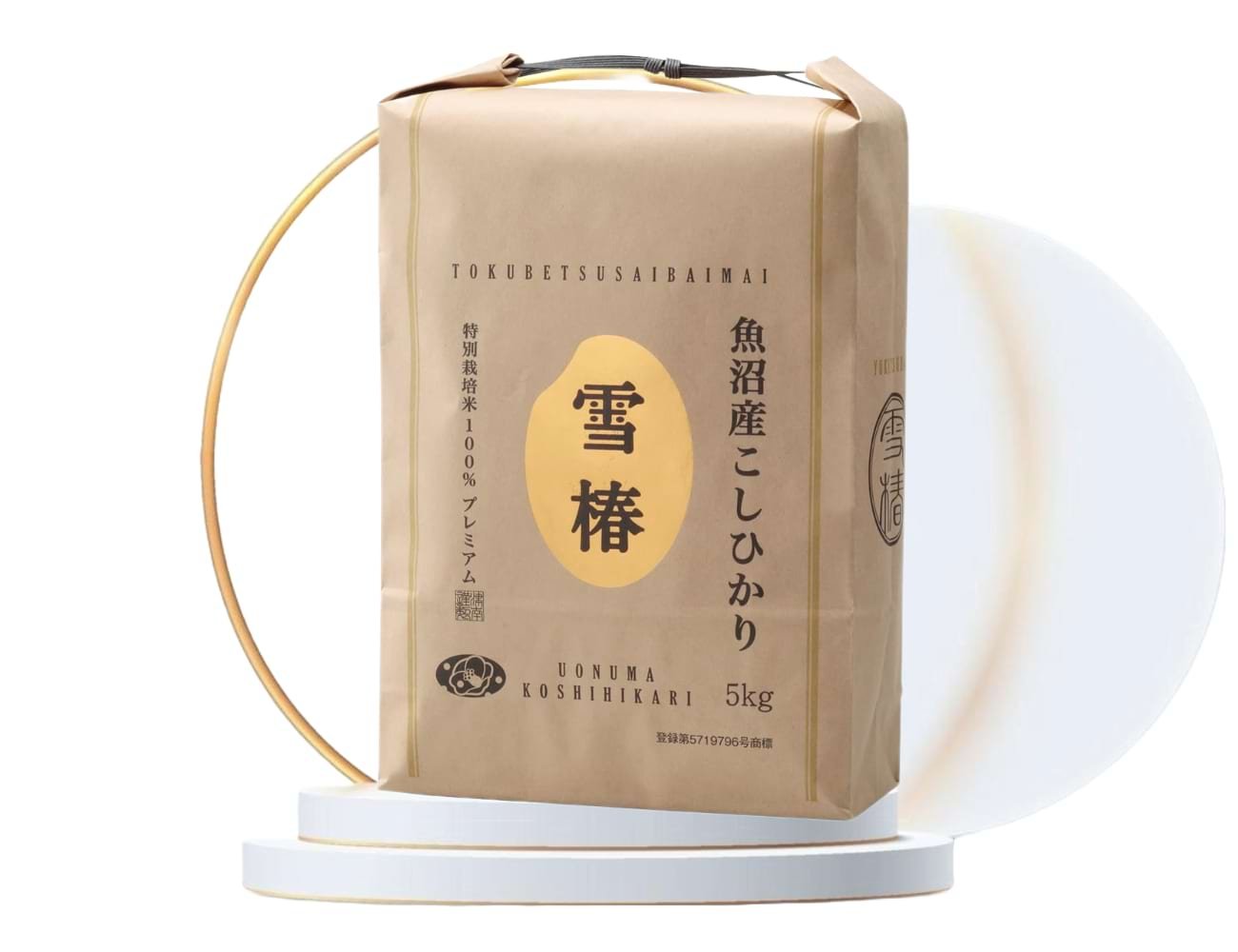
Yuki Tsubaki Uonuma Koshihikari
Smooths frizz & lasting shine.
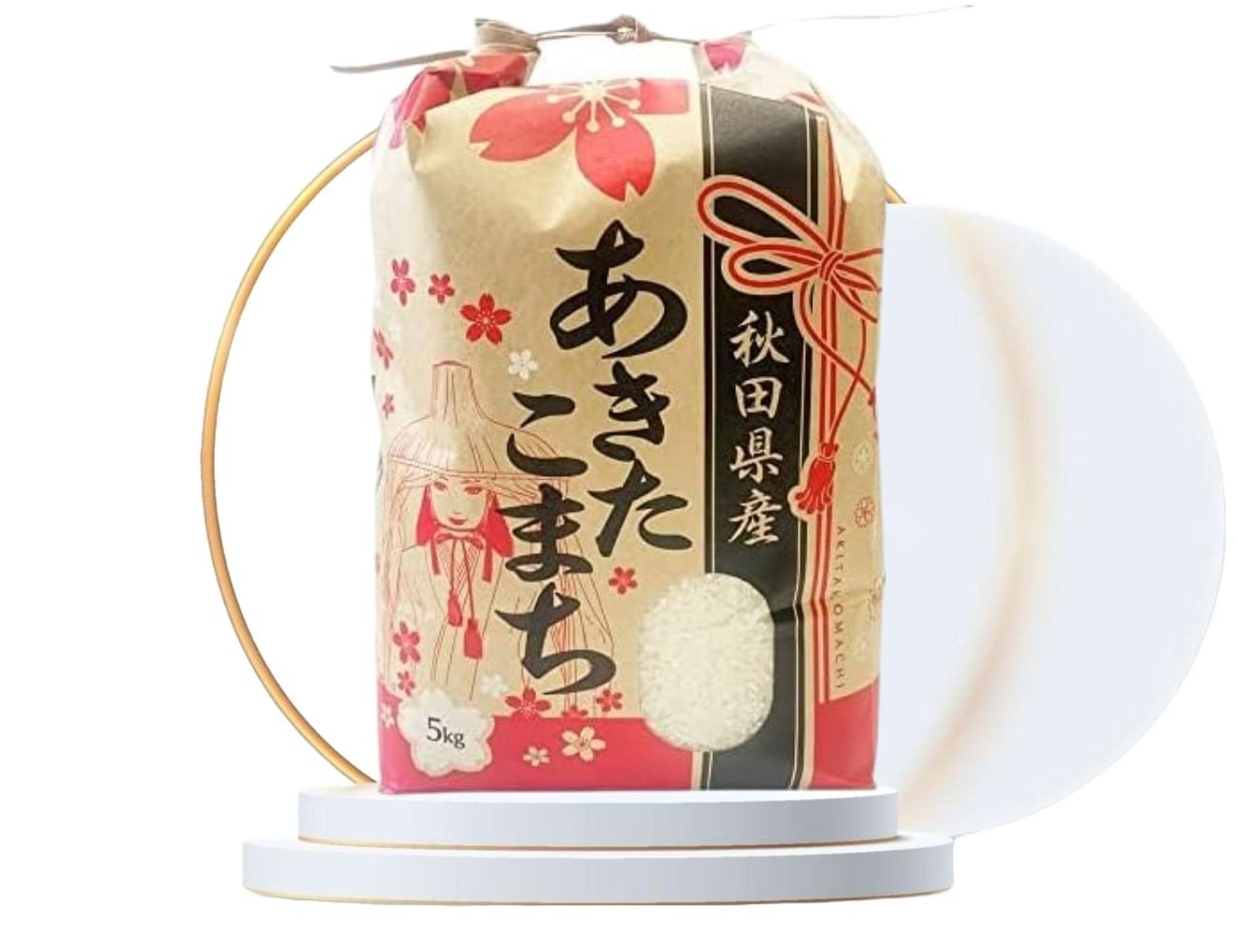
Shinmei Akita Akitakomachi Akafuji
Clears oil and flakes easily.
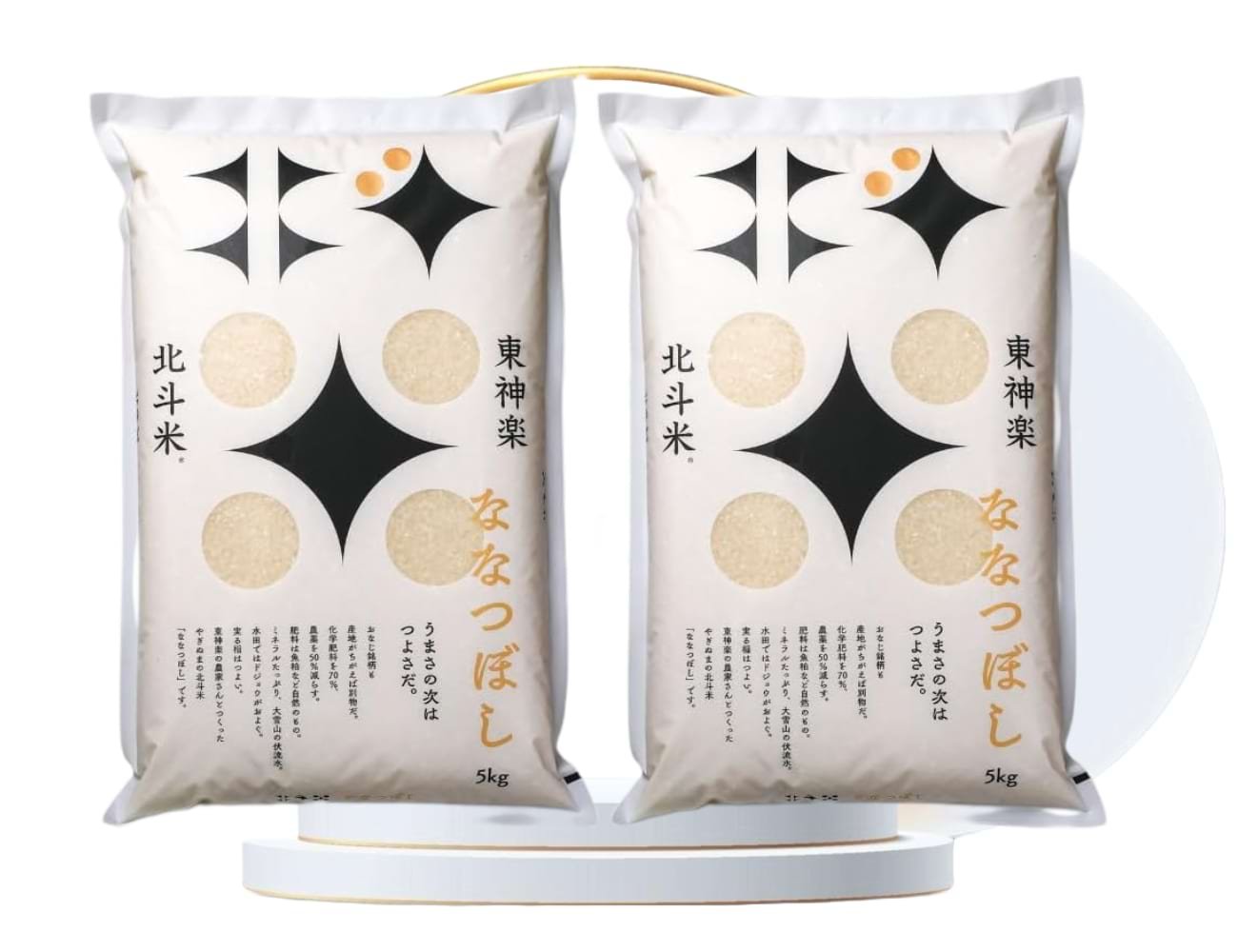
Shirakiku Hokkaido Nanatsuboshi
Intense hydration and softness.
| Product | Click to Purchase | Review | Score |
|---|---|---|---|
| 🎖️4.Hokkaido Yumepirika Rice | Amazon Amazon JP | Read Review → | ★ 4.25 |
| 5.Akita Otome Premium Short-Grain Rice | Amazon Amazon JP | Read Review → | ★ 4.10 |
| 6.Shinmei Miyagi Hitomebore Sanchi Gensen | Amazon Amazon JP | Read Review → | ★ 4.00 |
| 7.Toyo Rice Kinmemai Premium Koshihikari | Amazon Amazon JP Rakuten | Read Review → | ★ 4.00 |
2. How Do We Choose the Best Japanese Rice?
We selected 12 of the most popular Japanese rice options and narrowed them down to the top 7 worth buying today, including trusted staples and well-known premium varieties. We did not rely only on rankings or sales data. We compared each rice carefully to see which ones truly stood out in daily cooking.
2.1 How We Reviewed the Best Japanese Rice
During our review process, we focused on these eight key points:
- Taste: How balanced, naturally sweet, and satisfying the rice tasted on its own.
- Texture: Whether the grains cooked up soft, tender, chewy, or too firm.
- Stickiness: How well the rice held together for sushi, rice bowls, and everyday Japanese meals.
- Grain Quality: Size consistency, appearance, and how clean and even the cooked grains looked.
- Aroma: The fragrance after cooking and how fresh the rice smelled straight from the cooker.
- Versatility: How well it worked for different dishes like plain white rice, onigiri, curry rice, and sushi.
- Value for Money: Price compared with quality, flavor, and overall cooking performance.
- User Reviews & Popularity in Japan: Real feedback and reputation among rice buyers in Japan.
In our view, the best options were not only the most famous ones. They were the rice varieties that gave us consistently good results and felt easy to enjoy again and again.
2.2 Our Methodology
We tested each rice over multiple meals and compared the results side by side. We checked how the grains looked before cooking, how they absorbed water, and how they tasted fresh and after resting. This helped us spot small but important differences in texture, sweetness, and finish.
We also looked at how each rice performed in common home dishes. Some varieties were best for simple everyday meals because they were balanced and easy to pair with anything. Others stood out more for sushi or rice bowls thanks to their stronger stickiness and fuller flavor.
After reviewing cooking performance, consistency, and overall eating quality, we selected the best Japanese rice of 2026. Our final picks cover different budgets and meal styles while keeping quality high.
3. The 7 Best Japanese Rice of 2026 – Tested and Reviewed
Choosing the right rice can be harder than it seems, so we reviewed and ranked the 7 best Japanese rice brands of 2026 to make your search easier.
Below, you can see which options stood out and what makes each one worth considering.
No.1. Yuki Tsubaki Uonuma Koshihikari
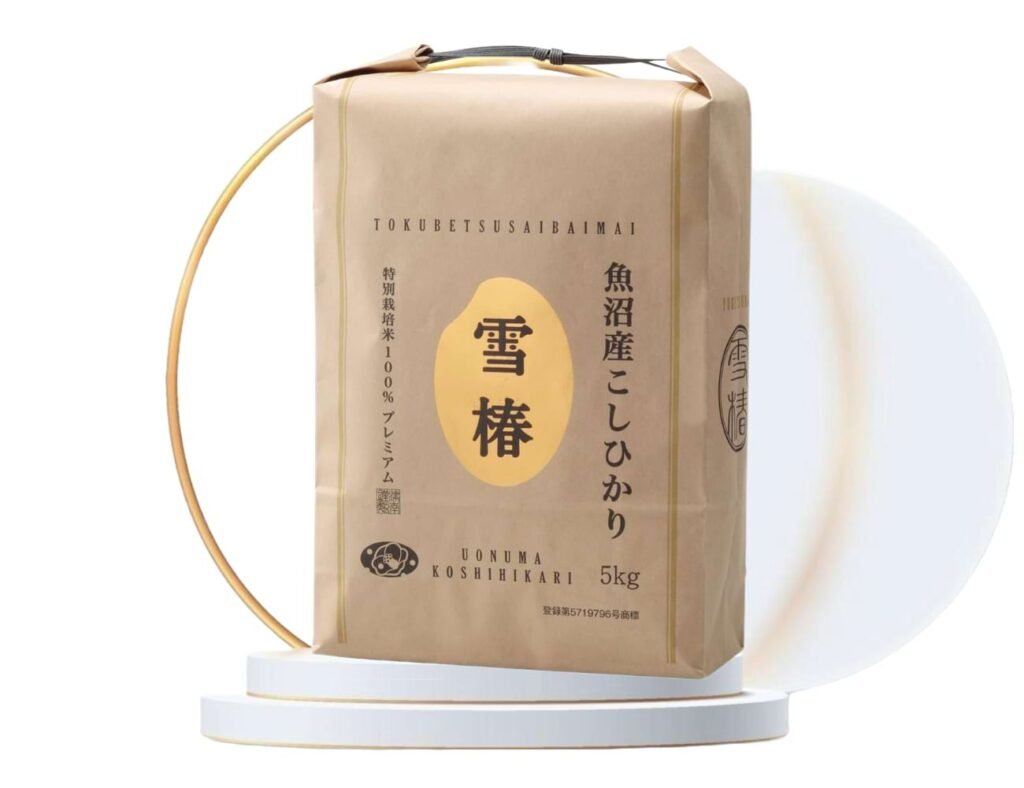
Yuki Tsubaki Uonuma Koshihikari rice is a premium Japanese rice with a very clean taste, soft texture, and light natural sweetness. It stands out for its polished eating quality and for the strong reputation of Uonuma Koshihikari among rice lovers.
The grains cook evenly and look glossy in the bowl. In our view, this is the kind of high-quality Japanese white rice that works best when you want the rice itself to be noticed, not just used as a side.
Brand: Yuki Tsubaki | Rice type: Uonuma Koshihikari white rice | Weight: 5 kg x 2 | Package quantity: 2
No.2. Shinmei Akita Akitakomachi Akafuji
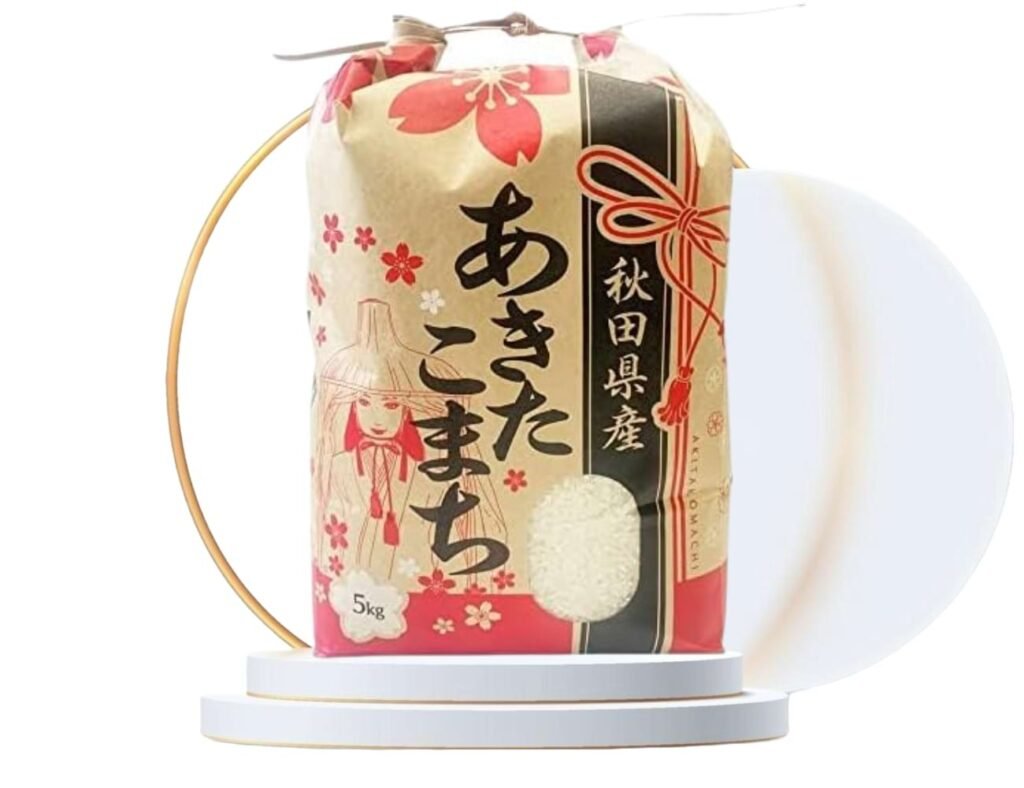
Shinmei Akita Akitakomachi Akafuji rice is an easy, reliable Japanese rice for daily meals. This Akita rice has the soft stickiness and gentle sweetness people expect from Akitakomachi, and the no-wash format makes it even more practical for busy homes.
What we like here is the balance. It is not trying to be a luxury rice, but it delivers good gloss, nice bounce, and steady results for the price. It is also a good fit for onigiri, lunch boxes, and simple home meals because this type of rice keeps a pleasant texture even after cooling.
Brand: Komachi Line | Rice type: Akitakomachi | Origin: Akita, Japan | Style: Musenmai / no-wash rice | Weight: 5 kg | Package quantity: 1 bag | Best for: daily meals, onigiri, bento, simple Japanese home cooking
No.3. Shirakiku Hokkaido Nanatsuboshi
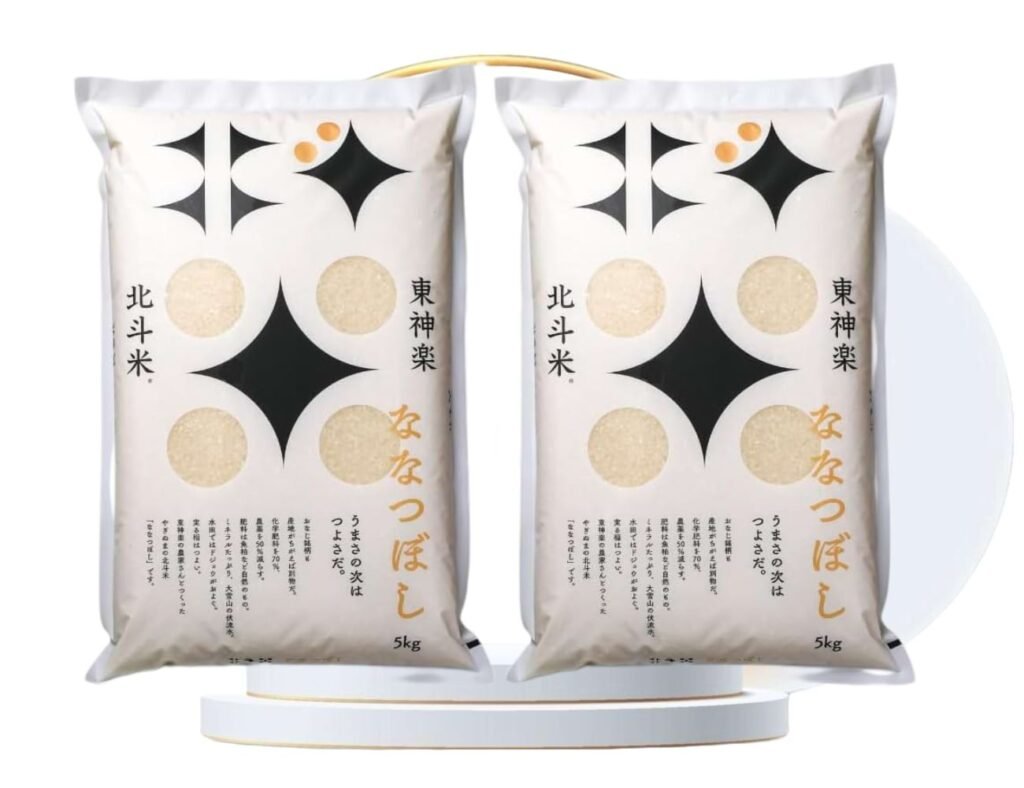
Shirakiku Hokkaido Nanatsuboshi rice is a solid Japanese short grain rice for people who want reliable texture and clean flavor. It is a Hokkaido-grown rice with a mild taste, soft bite, and the light stickiness needed for sushi and rice bowls.
This rice also stands out for consistency. The grains are uniform, cook evenly, and do not bring a heavy aroma, so it works well when you want the rice to support the dish instead of dominating it. The large 22 lb bag is also practical for families or frequent rice eaters.
Brand: Shirakiku | Rice type: Hokkaido Nanatsuboshi short grain white rice | Weight: 22 lb | Package quantity: 1 | Best for: sushi, rice bowls, everyday Japanese meals
No.4. Hokkaido Yumepirika Rice
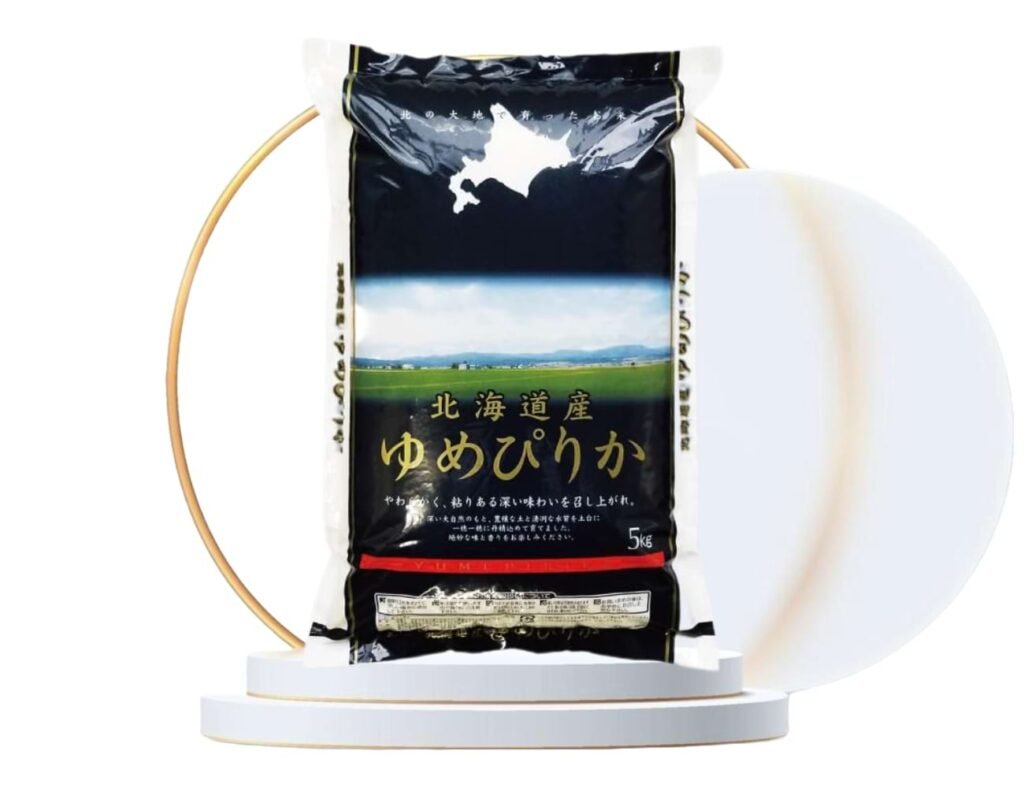
Hokkaido Yumepirika Rice is a strong pick if you want premium Hokkaido rice with a rich texture and good natural sweetness. Yumepirika is known for its soft, full bite, and this one gives that familiar glossy finish many people look for in high-grade Japanese rice.
It is also a good option for people who care about consistency. The rice is polished and made from single-origin Hokkaido Yumepirika, with guidance to cook it using slightly less water than standard rice. That helps keep the grains full without getting too heavy.
Brand: Hokubei | Rice type: Yumepirika white rice | Origin: Hokkaido, Japan | Weight: 5 kg | Package quantity: 1 | Best for: daily premium meals, rice bowls, bento, simple Japanese dishes
No.5. Akita Otome Premium Short-Grain Rice
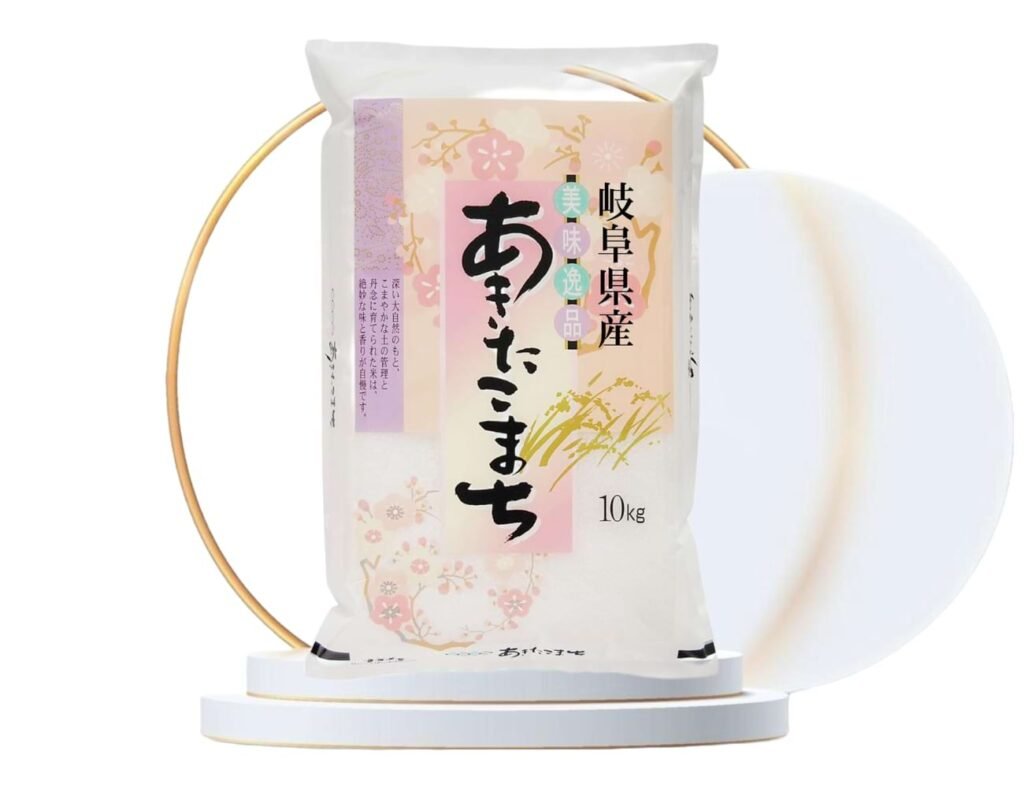
Akita Otome Premium Short-Grain Rice is a dependable Japanese short grain rice with a soft, sticky texture and clean flavor. It is a good choice for people who want rice that works for both daily meals and more traditional Japanese dishes.
What makes it stand out is the balance. It is not as expensive as some premium names, but it still gives the kind of texture and taste that makes Japanese white rice enjoyable even on its own. That value is a big part of its appeal.
Brand: Akita Otome | Rice type: Short grain white rice | Weight: 15 lb | Package quantity: 1 | Specialty: Non-GMO, gluten free | Best for: sushi, curry, rice bowls, everyday meals
No.6. Shinmei Miyagi Hitomebore Sanchi Gensen
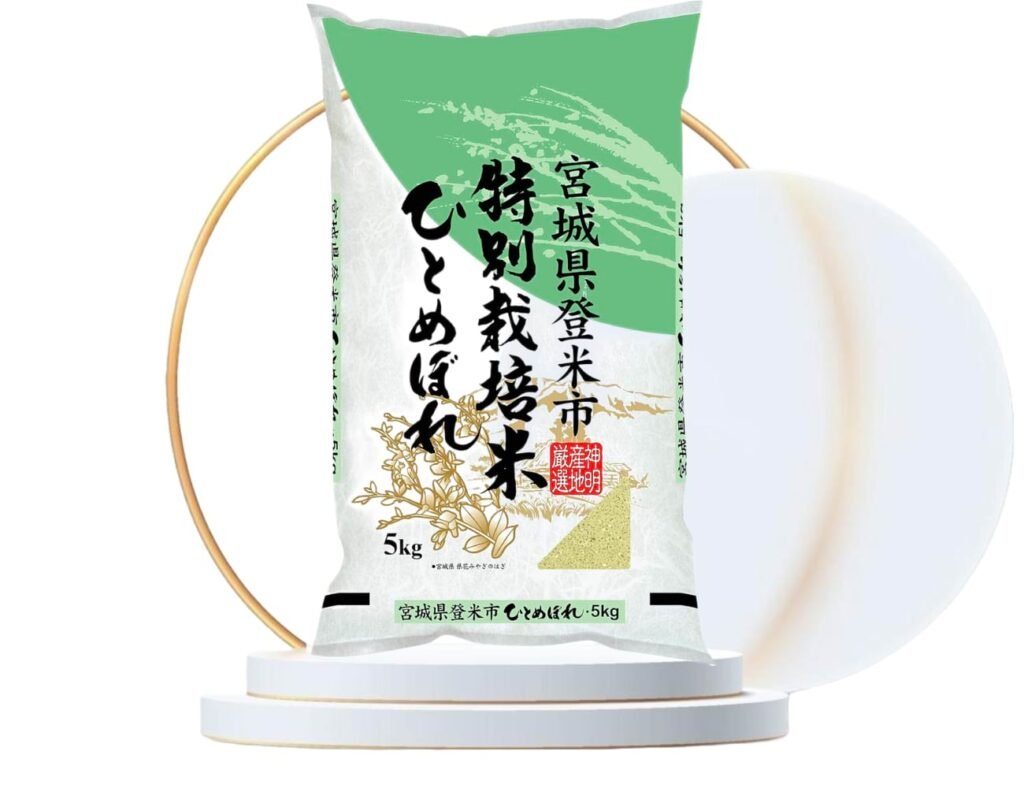
Shinmei Miyagi Hitomebore Sanchi Gensen rice is a high-quality Japanese short grain rice grown in Miyagi, Japan. It offers a very good balance of stickiness, shine, sweetness, and aroma, which makes it a strong choice for people looking for authentic Japanese rice.
It also stands out for its cultivation approach. This Hitomebore rice is made with reduced pesticide and chemical fertilizer use, and the overall quality feels more premium than standard short grain options.
Brand: Shinmei Sanchi Gensen | Rice type: Hitomebore short grain white rice | Origin: Miyagi, Japan | Weight: 11 lb | Package quantity: 1 | Ingredients: Milled rice | Best for: sushi, rice balls, rice bowls, everyday Japanese meals
No.7. Toyo Rice Kinmemai Premium Koshihikari
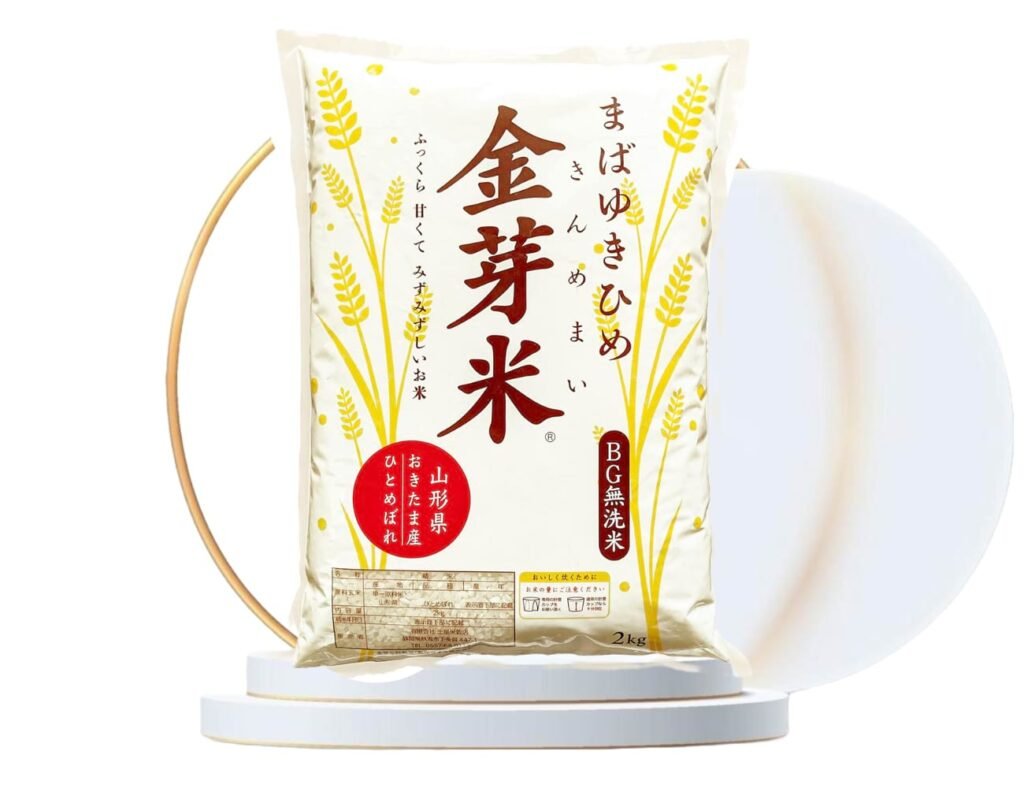
Toyo Rice Kinmemai Premium Koshihikari rice is positioned as a premium Nagano Koshihikari for sushi, onigiri, and other Japanese rice dishes. The product listing describes it as an artisanal short-grain rice from Nagano, and Kinmemai’s own materials frame the line around careful polishing and premium flavor.
What gives this one a different angle is the Kinmemai process. Toyo Rice says Kinmemai uses patented polishing and no-rinse preparation, while a retailer listing for the Nagano 4.5kg version highlights soft texture, rich flavor, and easy prep.
Rice type: Koshihikari short grain white rice | Origin: Nagano Prefecture, Japan | Weight: 4.5 kg / 9.9 lb | Package quantity: 1 | Best for: sushi, onigiri, premium Japanese home meals | Prep: no-rinse / rinse-free style listed by retailer
4. How to Choose the Best Japanese Rice For Every Meal
Picking the right Japanese rice depends on how you plan to eat it. Some rice works better for sushi, some is better for daily meals, and some stands out when you want a more premium bowl of rice.
- Best Japanese rice for everyday meals: Choose a balanced rice with good texture, mild sweetness, and easy daily use. We like Shinmei Akita Akitakomachi Akafuji for its reliable all-round performance.
- Best Japanese rice for sushi: Look for short-grain rice with good stickiness and a clean finish. Shirakiku Hokkaido Nanatsuboshi is a strong pick for sushi and rice bowls.
- Best Japanese rice for onigiri: Pick rice that stays soft and holds shape well after cooling. Shinmei Miyagi Hitomebore Sanchi Gensen works very well for rice balls.
- Best Japanese rice for premium home dining: Go for a higher-end rice with refined sweetness, shine, and texture. Yuki Tsubaki Uonuma Koshihikari is our top choice for that.
- Best Japanese rice for a rich, soft texture: Choose a variety known for fullness and gloss. Hokkaido Yumepirika Rice stands out for its plump, satisfying bite.
Still looking for the right Japanese rice or similar item?
Explore more rankings, buying guides and related Japanese rice articles below:
5. FAQ
What is the best Japanese rice overall?
For most people, the best Japanese rice is short-grain Japonica rice with a good balance of stickiness, sweetness, and shine. If you want a classic premium choice, Koshihikari is the safest answer. If you prefer softer, richer rice, Yumepirika is a strong alternative, while Akitakomachi is excellent for everyday meals and lunch boxes
What is the best Japanese rice for sushi?
The best rice for sushi is Japanese short-grain rice, not long-grain rice and not Thai sticky rice. Sushi chefs and recipe experts consistently recommend short-grain Japonica because it has the starch and moisture needed to hold together once seasoned with vinegar.
Is Japanese rice the same as sushi rice?
Not exactly. Japanese rice is the raw short-grain rice itself. Sushi rice usually means that same rice after it has been cooked and seasoned with vinegar, sugar, and salt for sushi. Many stores label Japanese short-grain rice as “sushi rice,” which is why the terms get mixed up.
Do you need to rinse Japanese rice before cooking?
Usually, yes. Regular Japanese white rice is normally rinsed a few times to remove surface bran and excess starch, which helps the grains cook cleaner and less gummy. The main exception is musenmai or no-wash rice, which is processed so you can skip rinsing.
What is the difference between Koshihikari, Akitakomachi, and Yumepirika?
Koshihikari is known for a classic balance of sweetness, aroma, and chewy texture. Akitakomachi is a bit lighter and softer, making it easy to pair with fish and everyday meals. Yumepirika is usually richer, sweeter, and more chewy, so it stands out when you want a fuller premium bowl of rice.
How should you store Japanese rice after opening?
Keep uncooked rice in a cool, dry place in an airtight container, away from heat, light, and strong smells. For cooked rice, the best method is usually to freeze it in portions while still fresh, because refrigeration tends to dry it out and hurt the texture.
Table of Contents