
The right kitchen knife can change the way we cook every day. In this guide, we focus on the best japanese knives of 2025 so we can help you pick a sharp, reliable tool that makes slicing, chopping, and prepping feel easier.
From our experience, Japanese knives stand out for their thin blades, sharp edges, and balanced feel in the hand. We love that we can find options for every budget, from entry-level knives for beginners to premium gyuto, santoku, and nakiri knives made with high-quality steel.
Because there are so many models and brands, choosing one knife can feel confusing. That is why we tested and compared the most popular Japanese knives ourselves.
We will share what we have learned so you can quickly find the knife that fits your cooking style. Let’s start.
1. Our Japanese Knives Top Picks
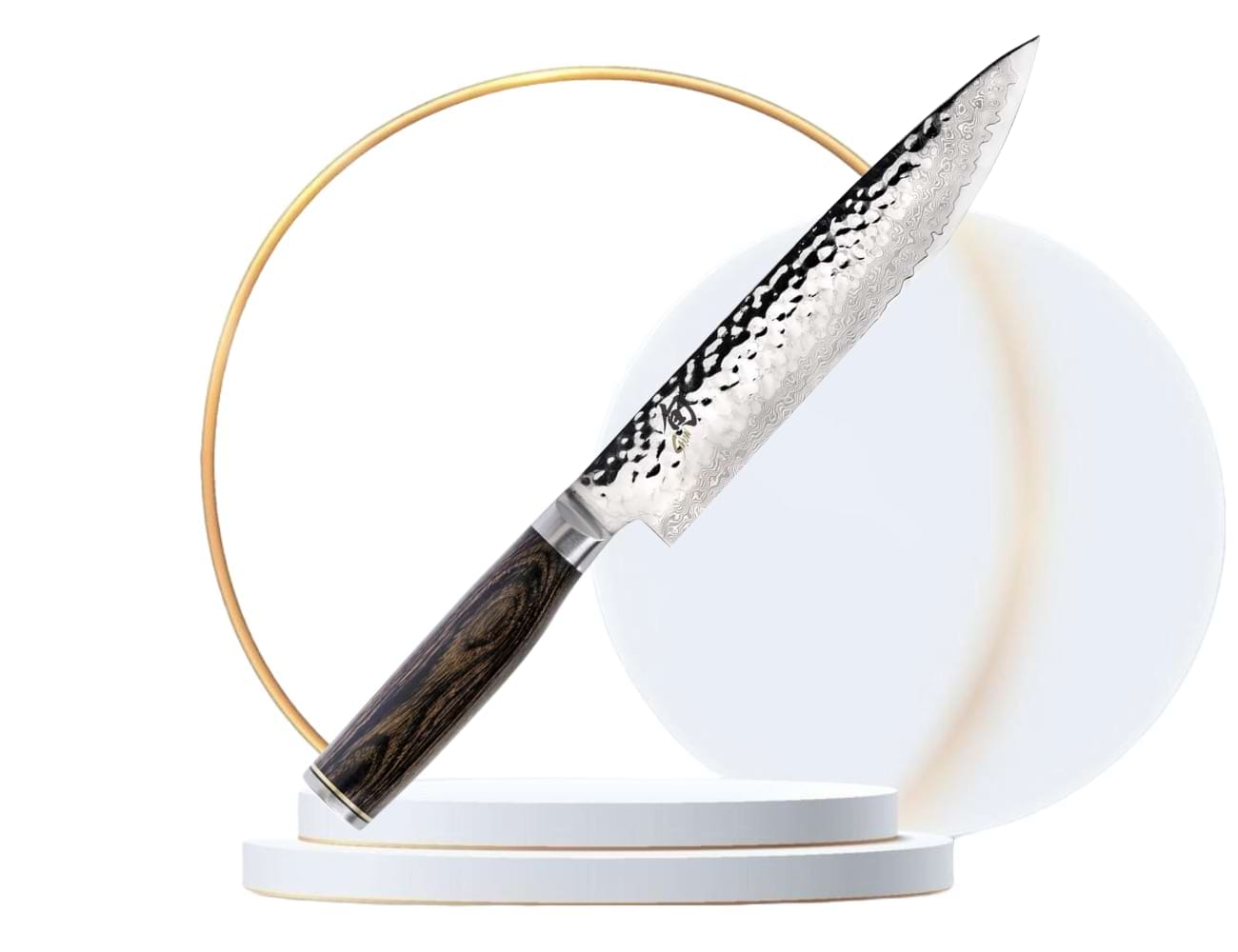
Shun Premier Chef’s Knife
Ultra-clean slicing and control.
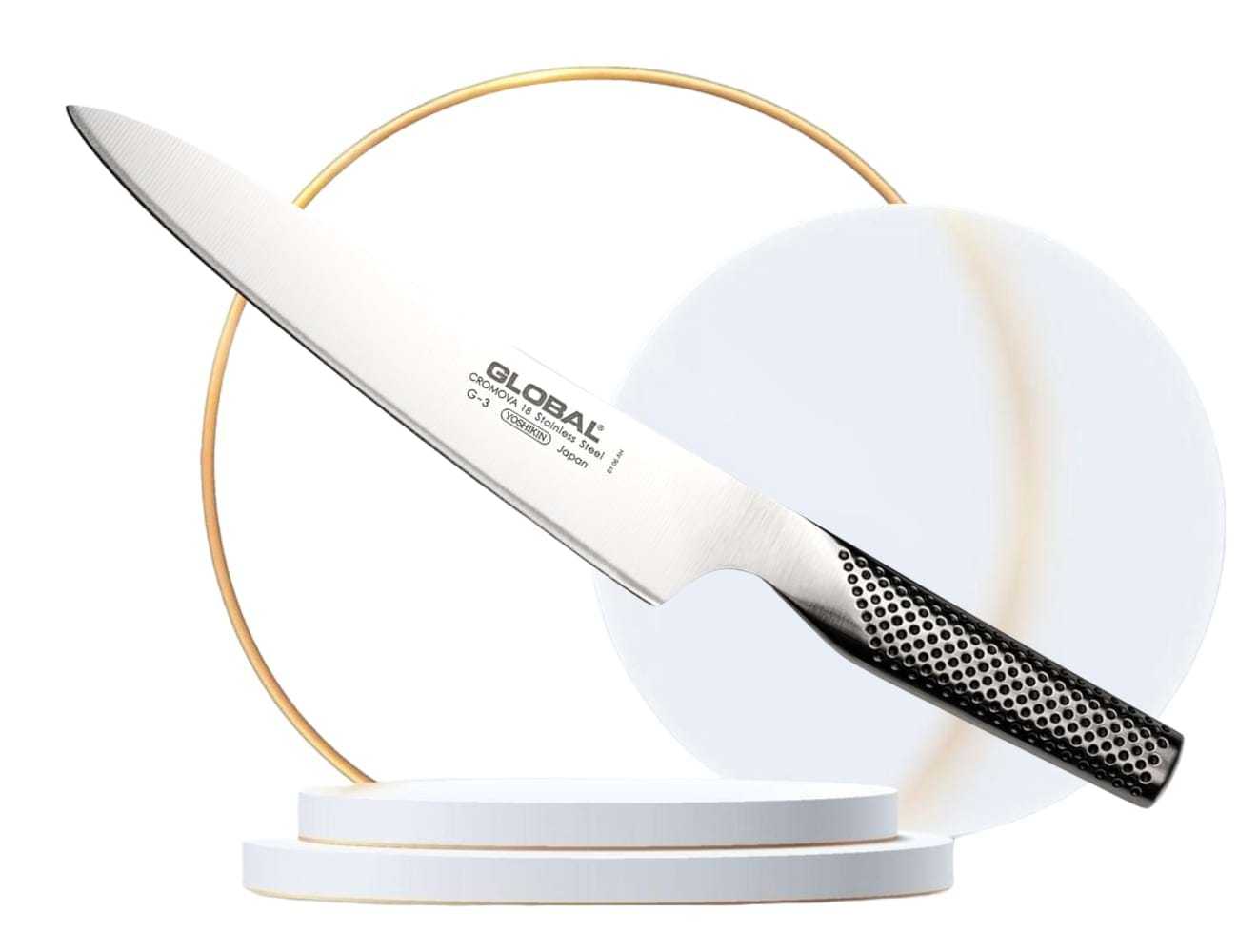
Global G-5 Vegetable Knife Nakiri
Quick, clean vegetable chopping.
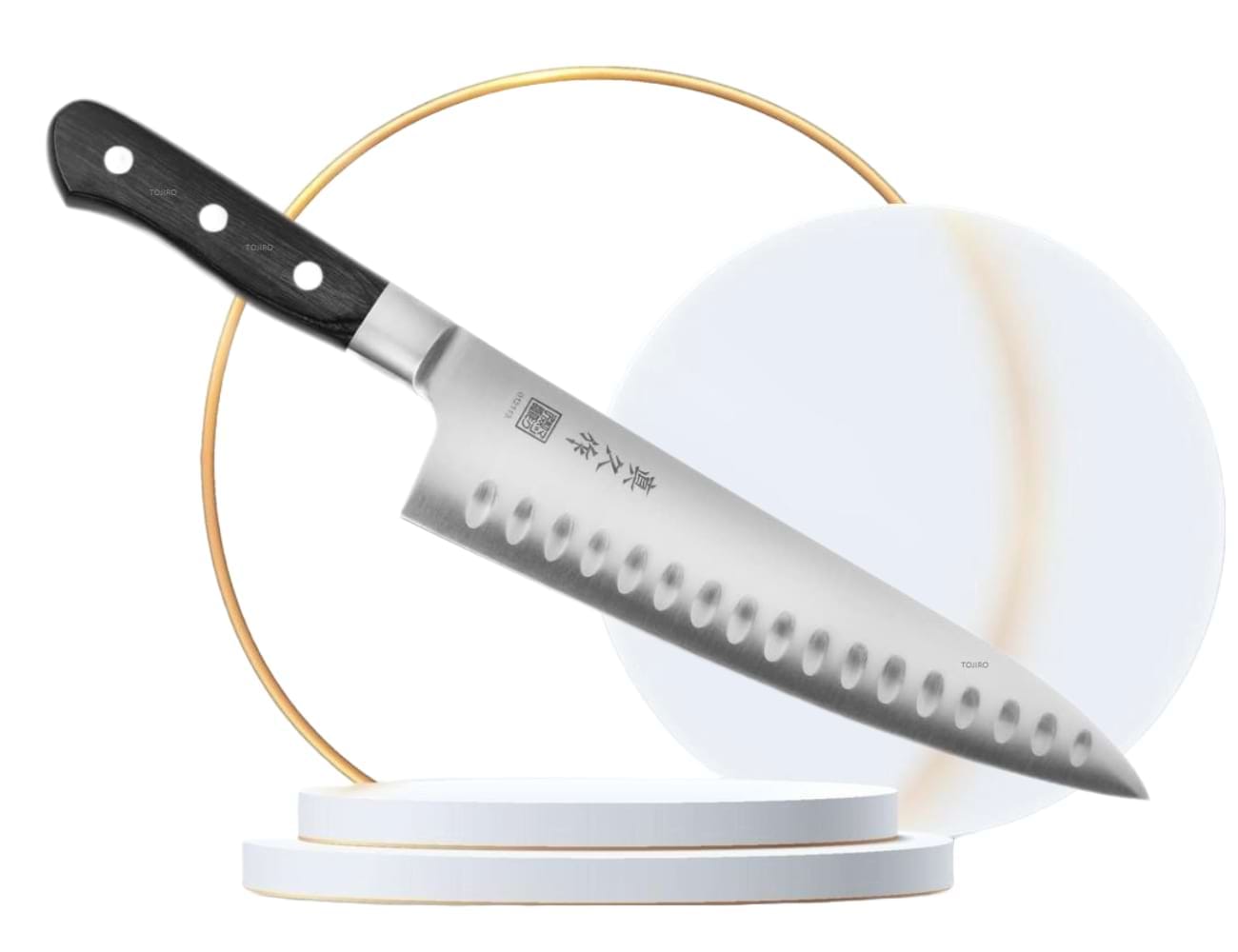
MAC Professional Hollow Edge Chef’s Knife
Sharp, light, everyday all-rounder.
| Product | Click to Purchase | Review | Score |
|---|---|---|---|
| 🎖️4.Kai Seki Magoroku Kinju ST Deba | Amazon Amazon JP Rakuten | Read Review → | ★ 4.25 |
| 5.Tojiro DP Santoku | Amazon Amazon JP Rakuten | Read Review → | ★ 4.10 |
| 6.Misono UX10 Gyuto | Amazon Amazon JP Rakuten | Read Review → | ★ 4.00 |
| 7.Mitsumoto Sakari Gyuto Chef’s Knife | Amazon Amazon JP Rakuten | Read Review → | ★ 4.00 |
2. How Do We Choose the Best Japanese Knives?
We started by looking at the most popular and trusted Japanese kitchen knives sold in Japan and abroad. From there, we narrowed the list down to the top models that we feel are truly worth in 2025.
We did not rely only on rankings. Instead, we used each knife in our own kitchen so we could see how it really performs in daily cooking.
In our opinion, a great Japanese knife must feel safe, sharp, and easy to use. We want a knife that makes prep work smoother, not more difficult. That is why we combined our hands-on tests, brand reputation in Japan, and real user feedback before choosing our final selection.
2.1 How We Reviewed the Best Japanese Knives
When we tested each knife, we focused on these key points:
- Sharpness: How cleanly it sliced vegetables, meat, and fish.
- Edge retention: How long the blade stayed sharp with regular use.
- Blade material: Steel type, hardness, and resistance to rust.
- Balance and grip: How stable and comfortable it felt in the hand.
- Knife type and size: How well it fit common tasks like chopping, slicing, and mincing.
- Ease of care: How simple it was to clean and sharpen at home.
- Value for money: Price compared to performance and build quality.
- Popularity in Japan: Reviews, brand trust, and buzz among Japanese home cooks and chefs.
From our perspective, the standouts were the knives we kept reaching for again and again because they made cooking faster, more precise, and more enjoyable.
2.2 Our Methodology
We spent several weeks using each knife in real cooking situations. We chopped onions, carrots, potatoes, sliced meat for stir-fries, garlic,…let’s say we chopped enough to review them. After each session, we shared detailed notes so we could compare how every knife behaved and how we felt about them.
In our experience, high-hardness steels like VG10 or SG2 kept a very crisp edge during long prep sessions, which we loved for meal prep. At the same time, slightly softer stainless steels felt more forgiving for beginners.
By comparing different hand sizes and skill levels, we could see which knives worked well for most home cooks, not only for experts.
After this hands-on testing and many rounds of discussion, we confidently selected the best Japanese knives of 2025. Our picks cover different knife types and budgets but all deliver clear improvements in daily cooking.
3. The 7 Best Japanese Knives of 2025 – Tested and Reviewed
Choosing one knife can feel confusing, so we have personally tested and ranked the 7 best Japanese knives of 2025 to make your decision easier.
Let’s check them below!
No.1. Shun Premier Chef’s Knife
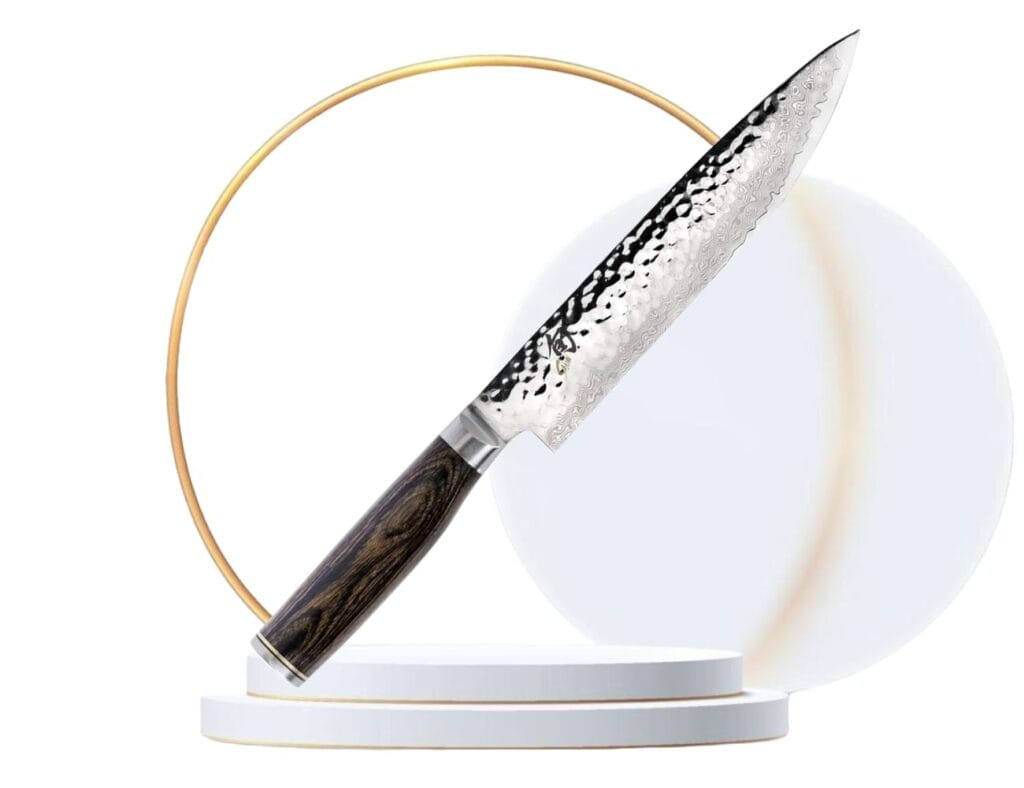
Shun Premier Chef’s Knife is a Japanese all-purpose chef’s knife. It uses a Damascus-style alloy steel blade for smooth, clean cuts.
The hammered finish helps food release from the blade while cutting. The walnut handle is hand-finished so it feels smooth and natural to hold.
Size: 8-inch blade (approx. 200 mm), 214 g weight, 345 mm overall length | Best for: home cooks and professionals who want a durable, high-end Japanese chef’s knife for daily prep | Key materials: Damascus-style alloy steel blade, forged construction, plain edge, walnut handle, hand-wash recommended
No.2. Global G-5 Vegetable Knife Nakiri
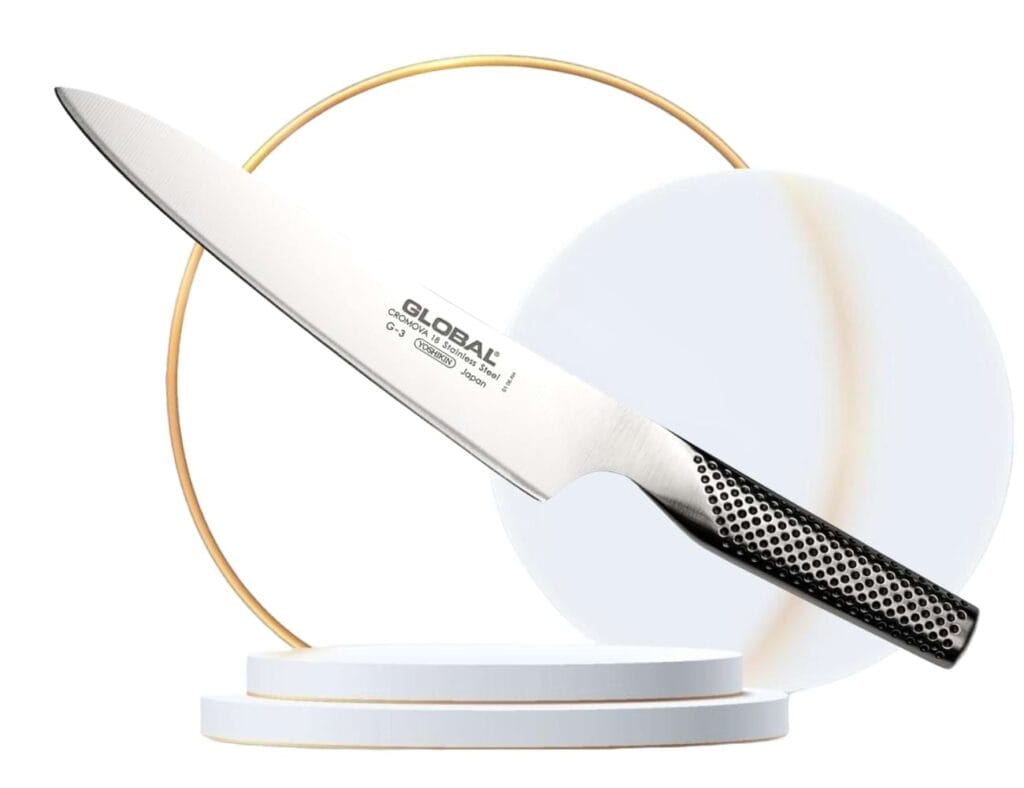
Global G-5 Vegetable Knife Nakiri is a long, narrow Japanese slicer made for smooth, single-stroke cuts. We see it as a great knife for trimming blocks of meat and slicing roasts or fillets very cleanly.
Because the blade is slim and sharp, we can also use it as a substitute for a yanagiba when cutting sashimi at home. It is part of the classic all-stainless GLOBAL line, so it matches well with other Global knives in the same series.
Size: 20 cm blade, 34 cm overall length, approx. 0.64 lb weight | Best for: home cooks who want a Japanese slicer for roasts, fillets, and sashimi-style cuts | Key materials: stainless steel blade, integrated stainless handle, plain edge, hand-wash recommended
No.3. MAC Professional Hollow Edge Chef’s Knife
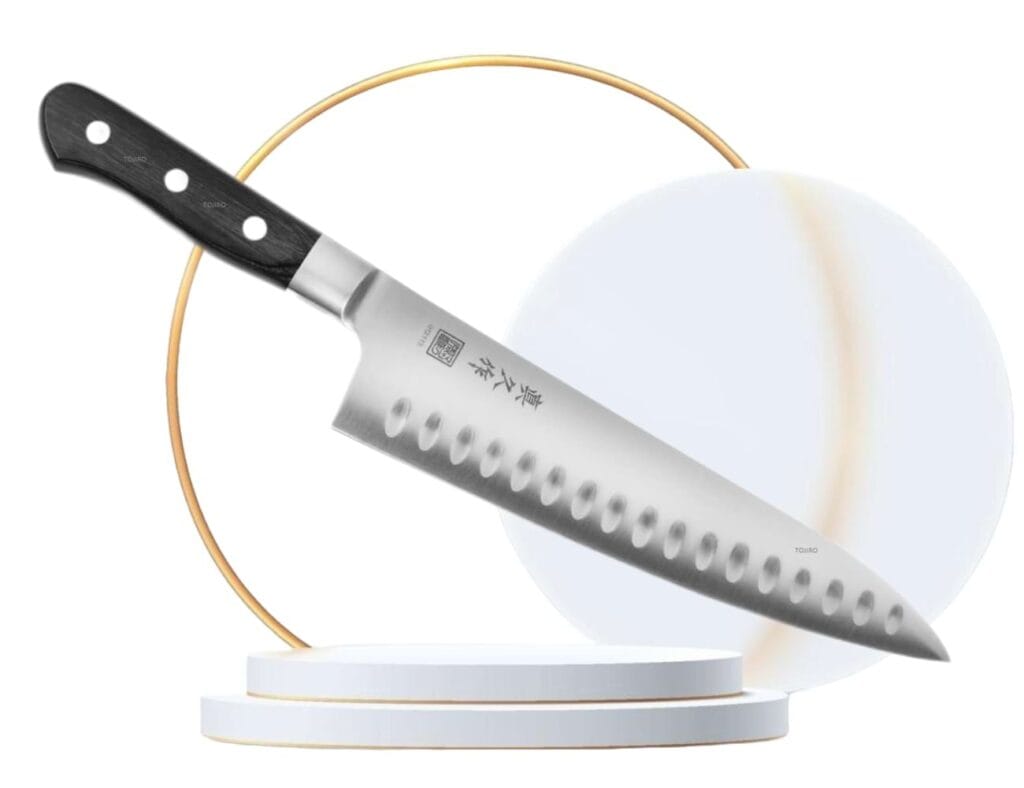
MAC Professional Hollow Edge Chef’s Knife is a Japanese-style chef’s knife built for everyday prep in serious home and pro kitchens. It sits between a classic Western chef’s knife and a Japanese gyuto, so it feels familiar but cuts very cleanly.
The blade is thin and finely ground, with a profile that suits both push-cutting and light rocking. There is also a line of dimples along the side, which helps food release and keeps slicing smooth when working with vegetables or proteins.
Size: 200 mm (8-inch) blade, 320 mm overall length, 0.19 kg weight | Best for: home cooks and professionals wanting a hybrid Western–Japanese gyuto for general prep work | Key materials: super-hard chrome molybdenum vanadium alloy steel (sub-zero treated) blade, plain edge, engineered wood handle, forged construction, hand-wash only
No.4. Kai Seki Magoroku Kinju ST Deba
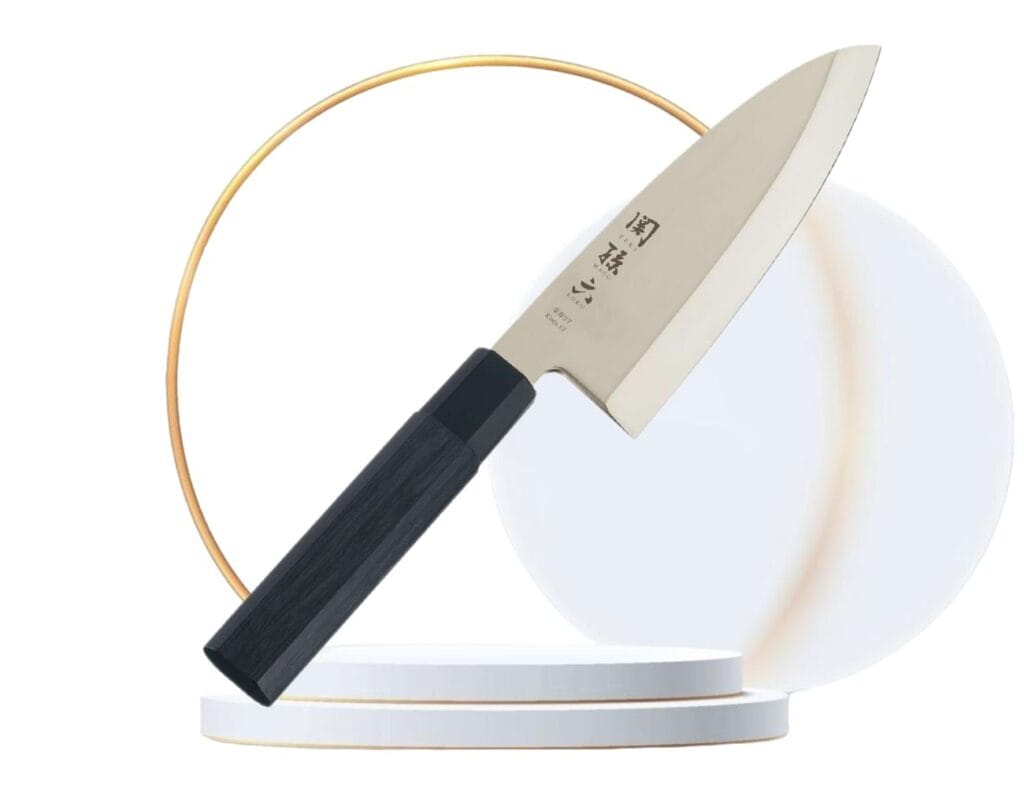
Kai Seki Magoroku Kinju ST Deba is a classic Japanese deba for fish and small meat work. We like that it keeps the traditional shape but uses stainless steel for easier care at home.
The blade uses molybdenum vanadium stainless steel, so it is rust-resistant and easier to maintain than carbon steel. The octagonal laminated wood handle sits firmly in the hand and gives good control near bones and joints.
Size: 165 mm blade, approx. 30.7 cm overall length, 9.81 oz weight | Best for: home cooks wanting a Japanese deba for cleaning fish and cutting small bones | Key materials: molybdenum vanadium stainless steel mono blade, plain edge, octagonal laminated wood handle
No.5. Tojiro DP Santoku
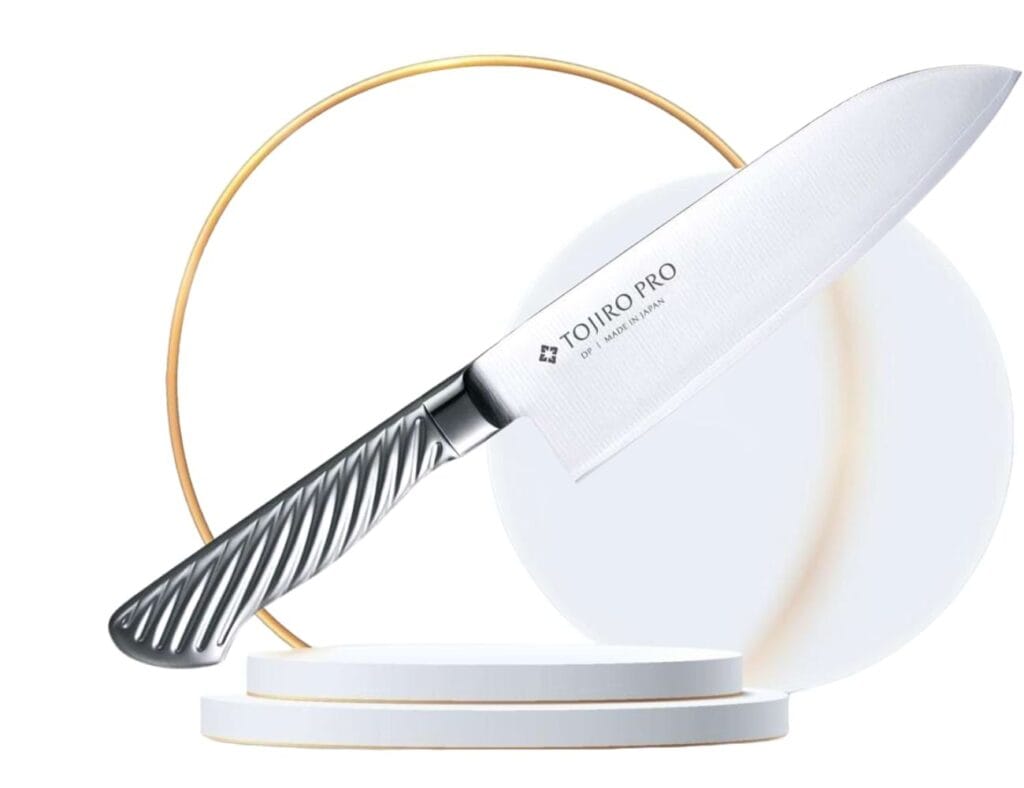
Tojiro DP Santoku is an all-stainless Japanese santoku for daily kitchen work. We see it as a simple, pro-style knife for meat, fish, and vegetables.
The blade uses a cobalt alloy core with 13-chrome stainless cladding, so it cuts finely but stays easy to maintain. The tornado-pattern stainless handle gives a firm grip, even when our hands are wet or oily.
Size: 170 mm blade, approx. 295 mm overall length, 0.15 kg weight | Best for: home cooks wanting an all-stainless Japanese santoku for meat, fish, and vegetable prep | Key materials: cobalt alloy steel core with 13-chrome stainless cladding, double-bevel plain edge, 18-8 stainless steel handle with tornado pattern
No.6. Misono UX10 Gyuto
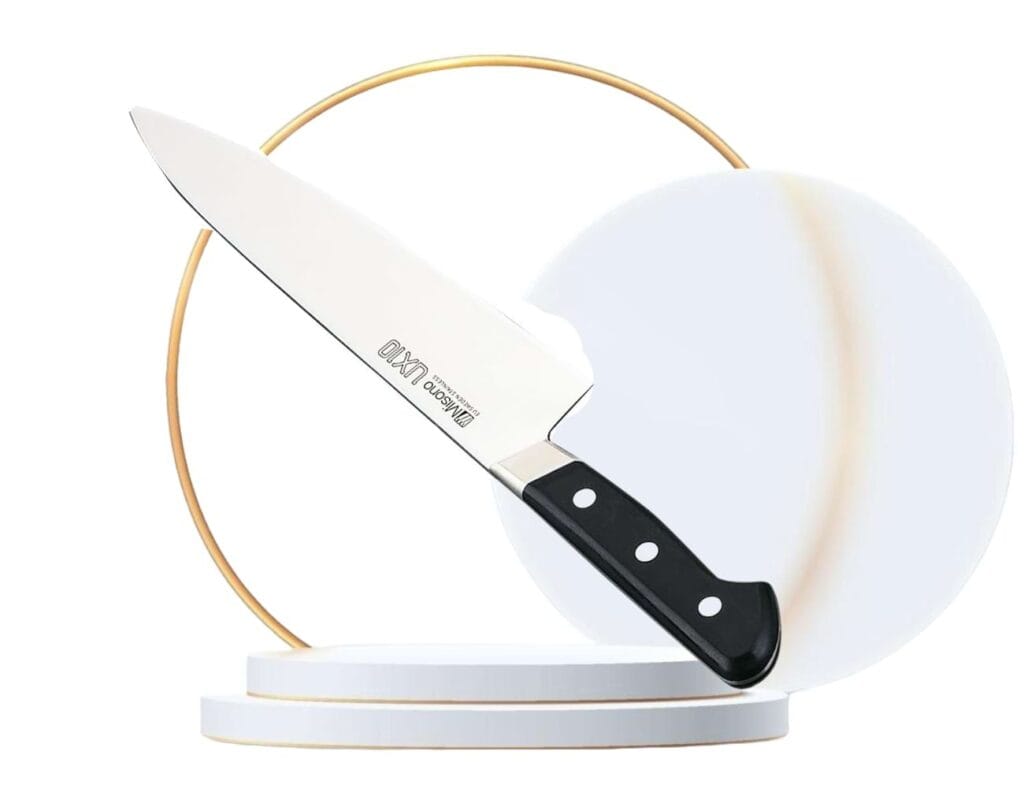
Misono UX10 Gyuto 21cm is a stainless Japanese chef’s knife aimed at serious home cooks and pros. It uses high-purity European stainless steel for clean, precise cutting.
At 21 cm and about 160 g, it sits between a small gyuto and a full-size chef’s knife. We like this size for tight spaces and mixed prep on one board.
Size: 21 cm blade, 34 cm overall length, 0.16 kg weight | Best for: home cooks and professionals wanting a primary Japanese gyuto for all-purpose prep | Key materials: high-purity stainless steel blade, double-bevel plain edge, black reinforced wood handle, hand-wash only
No.7. Mitsumoto Sakari Gyuto Chef’s Knife
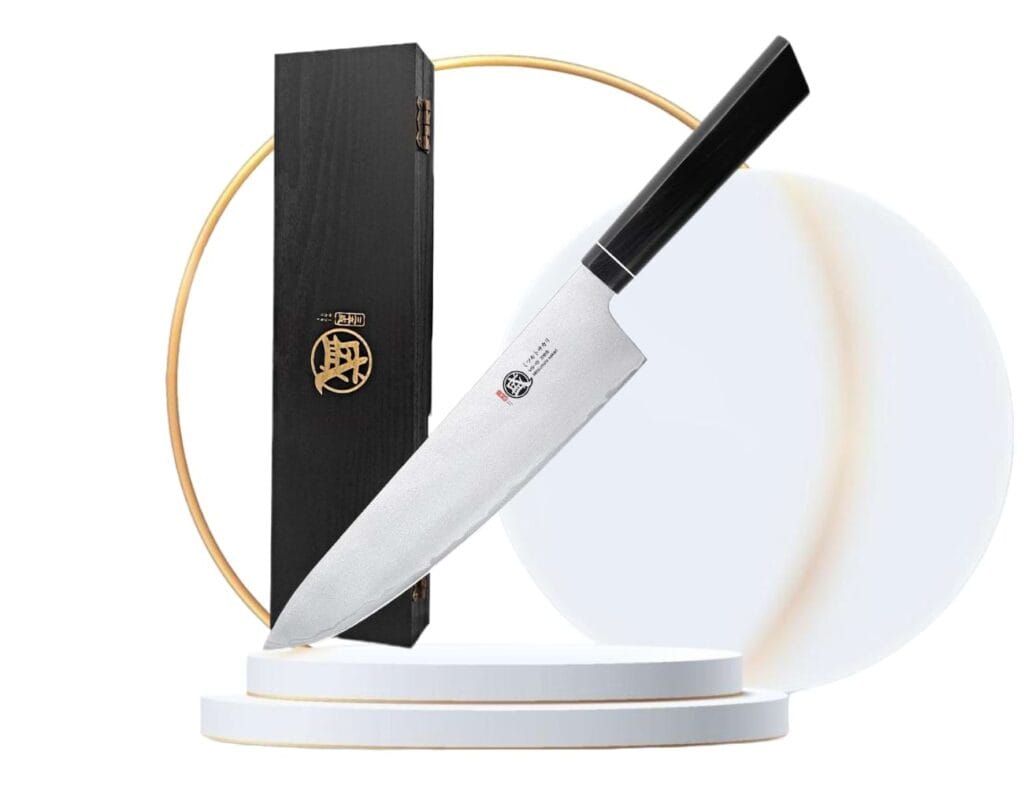
This Mitsumoto Sakari Gyuto Chef’s Knife is a hand-forged Japanese-style chef’s knife made for precise cutting. We see it as a knife aimed more at serious home cooks and working chefs than beginners.
We like that it combines hard high-carbon steel with a modern G10 handle and a sandalwood box, so it feels both practical and gift-ready. From our point of view, it is sold as a “special” knife rather than a rough daily beater.
Size: 8 inch gyuto blade, approx. 0.41 lb weight | Best for: experienced home cooks and professional chefs wanting a hand-forged Japanese-style chef’s knife for precise meat and vegetable prep | Key materials: high-carbon steel forged blade, plain edge, G10-style alloy handle, comes in sandalwood box, hand-wash only
4. How to Choose the Best Japanese Knives for Every Use
Choosing the right Japanese knife for how we cook and how much we want to spend makes daily prep much easier. Below we match each need with a specific knife we reviewed:
- Best Japanese Knife for Most Home Cooks: Pick the MAC Professional Hollow Edge Chef’s Knife if we want one main knife for meat, vegetables, and herbs with sharp, smooth cutting and easy control.
- Best Premium Japanese Chef’s Knife: Choose the Shun Premier Chef’s Knife when we want a high-end knife with refined balance and a hammered Damascus finish that also works as a daily chef’s knife.
- Best Budget-Friendly Japanese Santoku: Go for the Tojiro DP Santoku if we want strong cutting performance, hygienic all-stainless design, and good value for everyday home cooking.
- Best Japanese Knife for Fish and Sashimi Slices: Pick the Global G-5 Vegetable Knife Nakiri when we mainly slice fillets, roasts, or sashimi and want long, clean cuts with light pressure.
- Best Japanese Deba for Fish Prep on a Budget: Choose the Kai Seki Magoroku Kinju ST Deba if we often clean whole fish and need extra weight for heads and bones, but still want low-maintenance stainless steel.
Still looking for the right Japanese knife?
Explore more rankings, buying guides and related Japanese knife articles below:
5. FAQ
What makes Japanese knives different from Western knives?
Japanese knives are usually thinner, lighter, and made with harder steel, so they take a sharper edge and slice cleanly. Western knives are thicker and heavier, better for rocking and rough chopping.
Which Japanese knives do we actually need at home?
Most home cooks do well with one gyuto (Japanese chef’s knife) and one santoku for daily prep, plus a small petty knife for fruit and detail work. If we prepare a lot of fish, a deba or slicer is a useful extra.
Are Japanese knives only for professional chefs?
No. A Japanese knife can make cutting easier even for beginners, as long as we avoid bones and frozen food and learn basic care. The sharp, thin edge helps with safe, controlled slicing.
Is stainless or high-carbon better for Japanese knives?
Stainless Japanese knives are easier to maintain and resist rust, ideal for busy home kitchens. High-carbon Japanese knives take a very fine edge but need more care with drying and storage.
How often should we sharpen a Japanese chef’s knife?
For regular home cooking, light honing every few uses and full sharpening every few weeks or months is usually enough. If the knife starts crushing food instead of slicing, it is time to sharpen.
How can we spot a good quality Japanese knife?
We look for clear steel specs, honest hardness ratings, and a known maker or brand. A quality Japanese knife has an even grind, solid handle fit, and does not promise “never needs sharpening.”
Table of Contents